Take the Time: Why This Holiday Break Should Actually Feel Like a Break

Teachers, let’s be honest—we’re absolute pros at reminding everyone else to rest, recharge, and enjoy the moment… yet somehow forget to take our own advice. It’s one of our superpowers. Right up there with spotting a missing glue stick lid from 20 feet away and knowing exactly who was goofing around in line behind you…even without looking.

But this year?
Let’s flip the script a little.

The holiday season is rolling in, and instead of filling every second with catch-up tasks, grading marathons, and “I’ll just reorganize the entire classroom real quick”—what if you gave yourself permission to simply be? To rest. To reflect. To enjoy the people you love. To enjoy yourself.

Because here’s the truth:
You’ve done enough.
You are enough.
And you deserve a break that feels like more than a long weekend with better snacks.

1. Simple Ways to Unwind (That Don’t Require a 10-Step Routine)

Photo by freestocks.org on Pexels.com

Let’s keep it real—teachers don’t need another complicated system to manage over the break.
Try one of these low-maintenance ways to settle in and breathe a little:

  • Pick one morning to sleep in. Not “sleep until the dog barks” late—really sleep.
  • Take a walk with no destination. Just the cool air, your thoughts, and maybe a hot chocolate if you want to get fancy.
  • Read something that isn’t a lesson plan. A novel. A cookbook. The back of a cereal box. Zero judgment.
  • Do absolutely nothing for 20 minutes. Sit. Stare out a window. Be gloriously unproductive.
  • Binge-watch a series. Find the latest must-watch series and binge the entire series. It’s ok.

Sometimes the best gift you can give yourself is a tiny slice of peace. A little bit of time to yourself can help calm your thoughts and allow you to reflect on the amazing year you’re about to leave behind. Even through the stresses of classroom challenges, heavy workloads, and endless to-do’s – YOU HAVE ACCOMPLISHED A LOT! So, it’s quite ok to accomplish not a lot over your break.

2. Family Time That Fills the Tank

Holidays and family come bundled together like a teacher and a stash of flair pens. But the magic isn’t in big plans—it’s in small, meaningful moments.

Try these simple traditions or activities:

  • Game night with no screens allowed. (Unless you’re playing to win… then all bets are off.)
  • Bake something together—even if it turns out… “just ok.”
  • Watch an old family movie. The nostalgic kind that makes you say, “Wow… we really wore that?”
  • Start a gratitude circle. Everyone shares one thing they’re thankful for from the year.

These little moments become the memories that hold the school year together when things get tough.
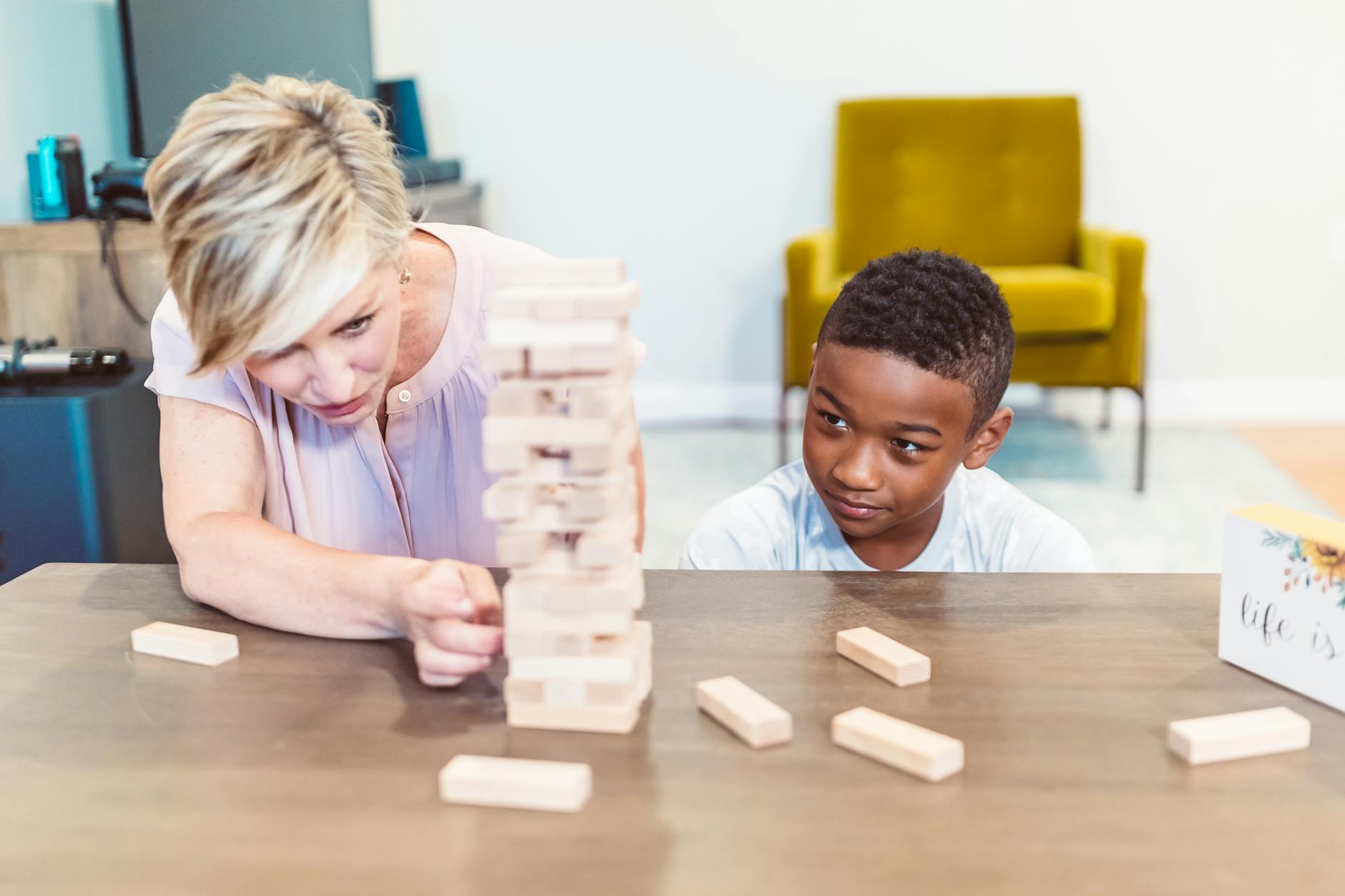
Photo by RDNE Stock project on Pexels.com

3. Reflect Without Overthinking

Teachers naturally reflect—we can’t help it. But this break, try reflecting softly:

  • What went well this fall?
  • Which kids surprised you in the best ways?
  • What did you do that made you proud?
  • What do you want more of in the new year—joy, calm, time, balance?

No pressure. No long list. Just gentle thinking that points you forward without demanding perfection.

4. Take Care of You

You give so much every day. Your patience, creativity, energy, heart—those things don’t replenish themselves.

This break, remind yourself:

  • It’s okay to rest.
  • It’s okay to say no.
  • It’s okay to do something just because you like it.
  • It’s okay to put yourself first for a few days.

You’ve spent months pouring into your students. Let these weeks pour back into you.
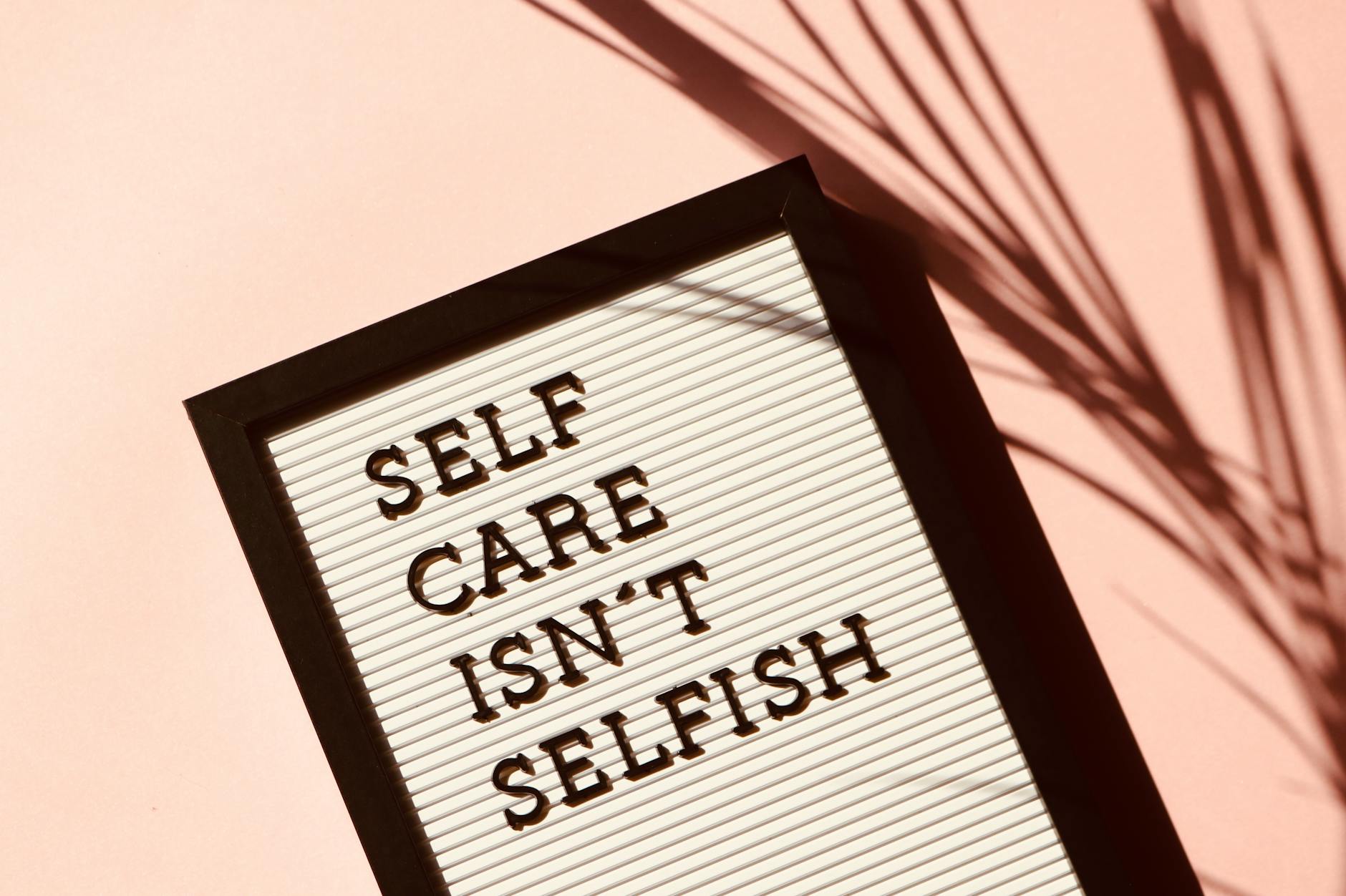
Photo by Madison Inouye on Pexels.com

You Deserve This Time

The holidays aren’t just a break from school—they’re a chance to reconnect with the parts of life that make teaching meaningful. Your family. Your home. Your peace. Yourself.

Take the time.
Enjoy the time.
And walk into the new year not just rested, but renewed.

Happy Holidays! – Adam

Be Thankful. Be Pleased. Be relieved.

thankful

thank – ful /ˈTHaNGkf(ə)l/

to be pleased and relieved

As we enter Thanksgiving break I encourage you to focus on the two words above – pleased and relieved. There’s no denying that the start of the school year is an extremely stressful time. Somewhere between the sight words, the science experiments that almost went according to plan, and the coffee that went cold on your desk (again), something incredible happened.

You made it. (and so did your students)

You made it through the whirlwind of the first part of the school year—those early-morning pep talks in your car, the endless name-learning, the curriculum juggling, the parent-teacher conferences, and the marathon of guiding little humans through big emotions. For that last sentence alone you should be extremely RELIEVED.

And if you pause for one little moment—right now, before the next thing calls your name—you might notice something:

You’ve done a lot.
Like… a lot a lot.

And that’s something worth being thankful for, or, PLEASED.

Thankfulness isn’t always loud. It doesn’t always look like pumpkin-spice-everything or perfectly decorated bulletin boards with cutouts that took two hours longer than they should have. Sometimes “thankful” is simply this:

A deep breath.
A nod to yourself.
A moment of “Hey… look at everything I’ve carried, created, and cared for.” Teachers are natural forward-lookers—always thinking about the next unit, the next data collection period, the next holiday party that will require twenty-seven glue sticks and a prayer. But, it’s worth noting how calming it can be, before you rush ahead, to take a second and soak in what you’ve already done. Doing this on a daily basis can help you focus on the success instead of the stress.

Your impact this year is already written into the smiles, the confidence, the notebook pages filled with brave new attempts, and the classroom routines that magically run smoother than they did in August.

That’s worth celebrating. Right now. Before Thanksgiving break even starts.

AND…all of this is important to remember EVERY SINGLE DAY going forward!

You tell your students to be proud of their growth.
You celebrate their progress.
You remind them that rest is part of learning.

So go ahead… take your own advice.
(Yes, I know. Easier said than done. But try it. Your future self in December will want to high-five you.)

Be pleased.
Be relieved.
Be proud of the teacher you’ve been so far this year and thankful for this much deserved break. Then, remember ALL of this when school starts again. Happy Thanksgiving. -Adam

Slow Down to Speed Them Up: Why Rushing Helps No One

If you’ve ever felt the pressure to race through the curriculum like you’re running late for a flight, trust me — you’re in good company. Teachers everywhere are juggling pacing guides, multiple curriculums, assessments, meetings, behavior plans, lost glue stick lids, and the occasional mystery smell coming from someone’s backpack. (kidding, not kidding)

It’s a lot.

But here’s the truth we sometimes forget in the frenzy:
Learning isn’t a sprint. It’s not even a marathon. It’s a walk with kids who stop to look at every butterfly, rock, and weirdly-shaped cloud along the way.

And that’s exactly how it should be to save ourselves from the stress of a fast-paced schedule.

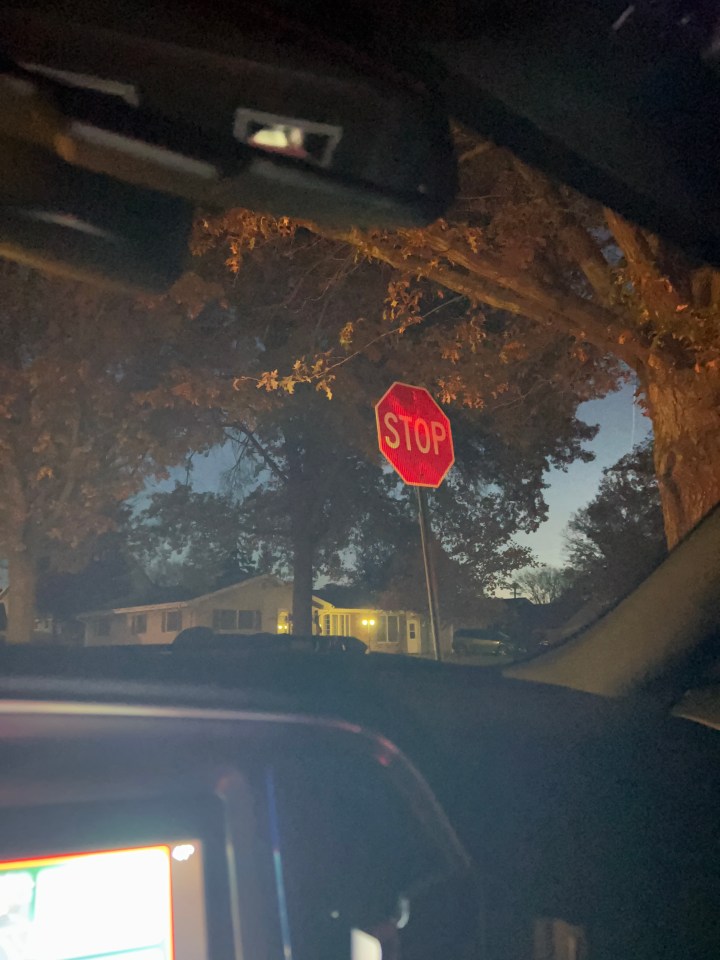
I was stressing about getting things done last week and this stop sign caught my eye. I was hitting the road for another out-of-town workshop with teachers – the third one in a week. I had a long drive ahead of me, a lot on my mind, and I wasn’t even 100% sure I was ready for the day ahead of me.

As my mind was racing with everything I had to do, I found myself stopped at this stop sign for longer than usual. Like most of you probably do, I typically roll through this stop sign unless there is a car coming that forces me to wait. This day, however, I found myself thinking about the real meaning (and law) that surrounds this stop sign. That day, I actually followed the rule. I stopped – but not forever.

As I started going again I began to think about why I might have stopped and thought about things for so long on that particular day. The reason? I had procrastinated getting things ready for this event and was beyond stressed, thinking I had forgotten things at home. I rushed and rushed that morning to pack my car and collect everything needed to take with me to the conference.

The same thing goes for the way we handle things in our classroom. We rush and rush to get through things when we really should be stopping and thinking more often.


The Magic Happens in the Slow Moments

We’ve all done it — felt the tug of the calendar, heard that little voice saying, “You should be on Unit 5 by now,” and sped through something kids clearly needed more time with.

But when we slow down, everything shifts.

That’s when students start asking the good questions.
That’s when you see that little eyebrow lift that means, “Ohhhh… now I get it.”
That’s when learning clicks instead of clunks.

Those moments don’t happen because we rushed.
They happen because we lingered long enough for understanding to take root.


Doing Things Right Beats Doing Things Fast

There’s an old-school wisdom here that still holds strong:
If students don’t understand it, moving on won’t magically fix it.

It’s like trying to teach a kid how to ride a bike by shouting instructions while you sprint next to them. Sure, everyone gets a workout, but nobody’s actually riding.

The same goes for blending sounds, regrouping in subtraction, writing complete sentences, or any of the million little things we teach every day. Kids need repetition. They need time. They need us to breathe, slow down, and let them practice the wobble until they’re steady.

Forward-thinking teaching isn’t about doing more faster —
it’s about doing what matters well.


Your Pacing Guide Is a Guide… Not a Stopwatch

Listen, I love a neat box to check as much as the next teacher. But pacing guides are exactly that — guides. Not iron-clad, no-wiggle-room contracts sworn on a stack of Scholastic flyers.

If your students need:

  • one more day
  • one more example
  • one more mini-lesson
  • one more round of practice
  • or just one more chance to breathe

…it’s not a setback.
It’s good teaching.

Great teaching, honestly.


When We Slow Down, Students Speed Up Later

Here’s the magic twist:
Slowing down now often means moving faster later.

When students deeply understand foundational concepts, everything built on top actually goes smoother. You spend less time reteaching. Less time redirecting. Less time untangling misconceptions that hardened like a rogue glue stick on the rug.

A strong foundation is the ultimate time-saver.


Give Yourself Permission to Pause

If no one else has said it today, let me be the one:
You’re doing enough.
You’re covering enough.
You’re moving at the right speed because you’re responding to the kids in front of you.

Take the extra day.
Sit in the moment.
Work it out together.

You’re not falling behind — you’re building them up.

And, if you need to spend a little extra time at a stop sign to collect your thoughts, that’s ok. As long as there isn’t someone honking behind you. 🙂

-Adam

👟 When Life Feels Worn Out, It’s Time for a New Pair of Shoes

Ever notice how you feel when you slip on a brand-new pair of shoes? You stand a little taller. You walk a little lighter. There’s that “new shoe smell” and that satisfying squeak that tells you—you’re starting something new.

Now compare that to your favorite old pair of shoes. You love them because they’ve been through everything with you. They’ve walked miles of classroom carpet, playground gravel, and maybe a few sticky cafeteria floors. But at some point, those shoes start to lose their cushion. The soles wear thin. You realize—no matter how much you love them—they just don’t feel the same anymore.

The Same Happens to Us

Teaching, parenting, and life in general can wear us down in the same way. We keep walking through busy schedules, long to-do lists, and the pressure to be everything to everyone. Before we know it, our energy feels like those old soles—worn and tired. That’s been our life lately. Between school and sports we have been going nonstop for the past couple of months. Don’t get me wrong, I wouldn’t trade it for the world, but this past weekend we all felt it. We were drained from a very emotionally tough week in our community, tired from busy schedules, and just plain worn out.

And sometimes, we just need a fresh start.

Time for a New Pair

That doesn’t mean throwing everything away and starting from scratch. It means giving yourself permission to replace what’s no longer helping you move forward.

  • Maybe it’s letting go of a routine that’s stopped working.
  • Maybe it’s saying “no” to something that used to bring joy but now just drains your time.
  • Or maybe it’s simply giving yourself a real break (yes, the kind where you don’t grade papers during it).

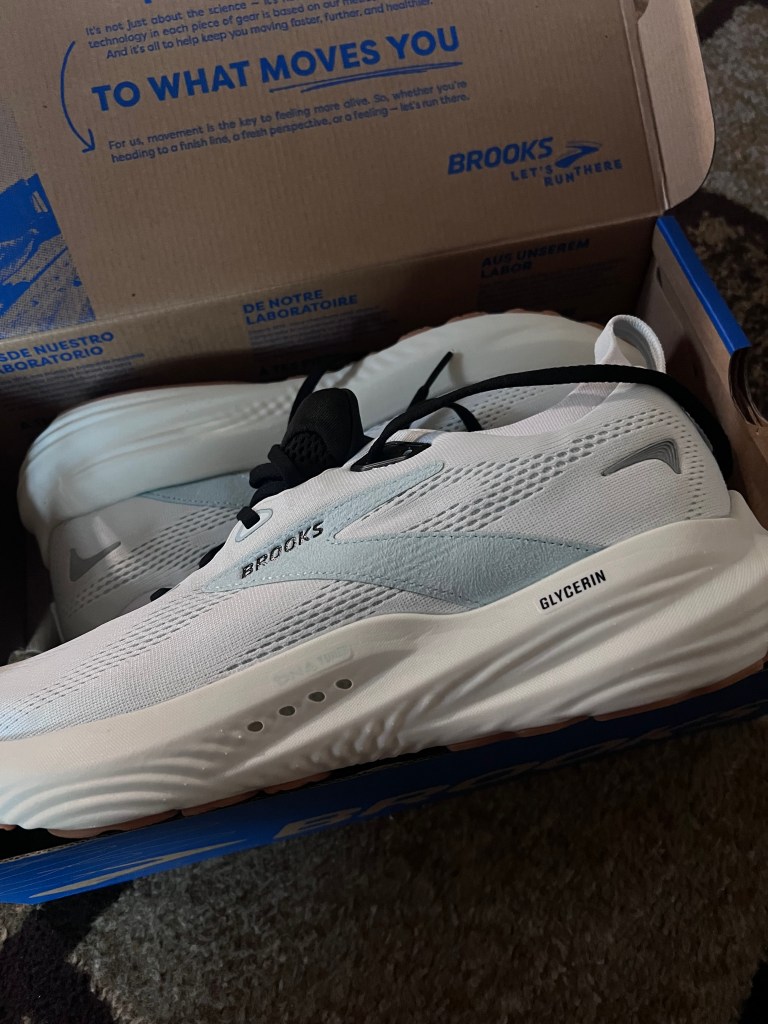
Think of those changes as lacing up a new pair of shoes—shoes that fit where you are now, not where you were months or years ago. If you know me, you know I hate to spend money on myself. So it was extremely surprising to my family when I purchased a new pair of shoes when we were out and about on a family shopping and dinner trip this past weekend. But, I did it! I spent money on some new shoes – and…they were on clearance! Win, win!

The Walk Feels Different

Once you take that first step in your new “shoes,” things start to feel lighter again. You find your stride. You look forward instead of down. You remember why you loved the walk in the first place. These new shoes were what I needed to motivate myself to get back to walking and running. But, as I started working out this morning in them, I felt the desire to be more productive with other tasks around the house. This fresh pair of shoes was helping me get a fresh start on being creative again. (Hence a new blog post in what feels like forever.) My creativity when it comes to projects and things I want to accomplish are like marathons for me. I take my time, I pace myself, but I get down on doing them when I’m worn out from a busy week.

Teaching and life are marathons, not sprints—and no runner would dream of running mile after mile in worn-out shoes. So don’t feel guilty for taking care of yourself.

So, Here’s Your Challenge

Take a moment this week to think about what feels “worn out” in your life. It could be something big, like a commitment that’s no longer bringing joy, or something small, like that old habit of skipping your morning coffee until it’s cold.

Whatever it is—trade it in. Get your new shoes ready.
Because the world needs you walking strong, confident, and ready to keep making a difference.

And who knows? You might even start running again.


Keep walking forward, friends. You’ve got this. -Adam

🔥Fire Prevention Month Fun!

Fun, Fire Safety, and Learning All October Long!

October isn’t just about pumpkins and costumes—it’s also Fire Prevention Month, and that means it’s the perfect time to mix safety education with fun, engaging lessons across your curriculum. From read-alouds that spark great discussions to science activities that light up curiosity (without actually lighting anything!), here are some ways you can bring the heat—in the safest way possible.

Photo by Anna Shvets on Pexels.com

📚 FIERY READ-ALOUDS THAT TEACH AND INSPIRE

Start Fire Prevention Month by igniting curiosity with a few great books that blend storytelling with important fire safety messages.

  • “No Dragons for Tea: Fire Safety for Kids (and Dragons)” by Jean Pendziwol
    🐉 A silly but smart book about a girl who invites a dragon to tea… and things get toasty. The book delivers fire safety lessons in a super kid-friendly way.
  • “Miss Mingo and the Fire Drill” by Jamie Harper
    🔥A colorful, character-packed read about how students (animal ones, of course) react to a fire drill—perfect for talking about emotions and preparedness.
  • “Stop Drop and Roll (A Book about Fire Safety)” by Margery Cuyler
    🔥 Full of relatable school scenarios and packed with safety strategies, this one is always a hit during read-alouds.

Activity Tip:
After reading, create a class anchor chart titled “What We Know About Fire Safety” and let students add facts throughout the month as they learn more.


🔢 MATH THAT’S 🔥HOT🔥

Yes, even your math block can get in on the fire prevention fun! Try these ideas:

  • Firefighter Word Problems:
    Use firefighter-themed story problems like: “Fire Station #2 has 3 trucks. Each truck holds 5 firefighters. How many firefighters are there in total?”
  • Fire Station Math Centers:
    Set up stations with tasks like:
    • Counting fire hoses (unifix cubes or pipe cleaners)
    • Sorting fire hats by color/size
    • Graphing favorite emergency vehicles
  • Estimation Station:
    Fill a firefighter boot with red pom-poms (“fireballs”) and have students estimate and count how many are inside.

Bonus Tip:
Use firefighter clipart or plastic hats as math manipulatives to keep little learners engaged.


🔬 SCIENCE SPARKS: FIRE PREVENTION-STYLE

Photo by Amina Filkins on Pexels.com

You don’t need flames to ignite scientific thinking. Here’s how to integrate fire-related science safely:

1. What’s Hot and What’s Not?

Create a sorting activity using images of items that are hot (e.g., stove, toaster, candle) vs. not hot (e.g., pillow, book, crayon). Talk about heat sources and how to stay safe around them.

2. Smoke Detector Science

Invite a local firefighter to show how a smoke detector works! Then talk about the science of smoke—why it’s dangerous, how it moves, and why we “stay low and go.”

3. Fire Needs Fuel!

Demonstrate the Fire Triangle (Heat + Fuel + Oxygen = Fire). Ask: “What happens if we take one part away?”

Book Pairing:
Read “Firefighters A to Z” by Chris L. Demarest and tie it into your science talk with facts and vocabulary.


🔥FIRE SAFETY LESSONS THAT STICK

Let’s be real: fire drills can be scary for some kids. Use these activities to make preparedness feel safe, familiar, and even a little fun.

🔥 Build a Fire Safety Plan

  • Let students draw a map of their home and mark two escape routes.
  • Practice “stop, drop, and roll” with stuffed animals (less scary and way more fun!).

🔥 Role Play: Firefighter to the Rescue

  • Set up dramatic play with helmets, walkie-talkies, and firefighter vests.
  • Act out what to do when you hear a fire alarm: stay calm, line up, no talking, etc.

🔥 Home Connection: Fire Safety Checklist

Send home a Fire Safety Challenge checklist for families to complete together:

  • Test smoke detectors
  • Identify two ways out of each room
  • Practice a family escape plan

🎨 WRAP IT UP WITH ART

Let creativity take over with:

Photo by Jonathan Borba on Pexels.com
  • Handprint flames with safety rules written around them
  • Fire truck directed drawings for hallway displays
  • Tissue paper flames with student-written fire safety tips on water droplets
  • Blow Paint by putting drops of red and orange on paper, and letting kids blow it around with straws to make flames
  • Fire hats for kids so they can wear their craft home

🔚 Final Thoughts

At the heart of every great classroom is a teacher who makes learning feel safe, exciting, and unforgettable. Fire Prevention Month is the perfect opportunity to teach real-life lessons while still having a blast (again, not literally). From read-alouds and role-playing to math centers and science talks, you’re not just teaching—you’re helping kids become prepared, confident, and aware.

So go ahead… make it fun, make it meaningful, and most importantly—make it safe. -Adam

Wrapping Up the Year with Heart: Celebrating, Remembering, and Saying Goodbye (for Now!)

Well friends, here we are—that magical, bittersweet, glitter-and-glue-sticks-covered time of the year: the end of the school year! 🎉

You’ve done it. You’ve guided your class through hundreds of read-alouds, lost approximately 47 pencils per week (minimum), and built a classroom family that laughs, learns, and maybe gets a little too excited for indoor recess. It’s time to celebrate the growth, the giggles, and the glorious mess that was this school year.

Here are some tried-and-true ways to make the end of the year unforgettable—for your students and for you!


🎓 Celebrate the Successes

Before the glue bottles go dry and the crayon boxes get packed away, take time to spotlight how far your students have come.

1. Student Superlatives with Heart
Skip the typical “Most Likely to…” and instead create personalized awards that highlight each child’s unique strengths.

  • “Kindness King”
  • “Queen of Curiosity”
  • “Master Mathematician”
  • “Most Likely to Brighten Your Day”

Click here to get my pack of 25 classroom awards for only $5.00!

2. Growth Reflection Books
Have your students make “My Year in Review” booklets. Pages could include:

  • “My favorite memory from this year…”
  • “Something I learned that made me proud…”
  • “What I want to remember forever…”

You’ll be amazed at the depth, humor, and honesty that comes from even the youngest learners.


📸 Create Lasting Memories

1. End-of-Year Photo Booth
Set up a corner with a simple backdrop (wrapping paper works wonders), some silly props, and signs like “1st Grade Grad!” or “Peace Out Kindergarten!” Snap individual photos or small group shots and print them as keepsakes.

2. Memory Videos
Compile a slideshow of classroom moments throughout the year—field trips, dress-up days, those oh-so-proud moments when they finally “got it.” Set it to some upbeat music and cue the happy tears!

3. Class Time Capsule
Have each student write a note to their “future self” or draw a picture of something they loved this year. Seal them up in a big envelope and encourage parents to open it with their child a year later. The cuteness level? Off the charts.


🎁 Thoughtful End-of-Year Gifts (Without Breaking the Bank)

You don’t need to spend a fortune to leave your students with something meaningful.

1. Personalized Pencils or Crayons
Tie a ribbon around a pencil that says, “You’re SHARP! Have a great summer!” Or melt broken crayons into fun-shaped molds with a tag that says, “You color my world!”

2. Books with a Note Inside
Gift each student a favorite picture book (hello, Scholastic points!) with a handwritten message inside the front cover. You never know which one becomes that book—the one they hold onto for years.

3. Summer Fun Bags
Think bubbles, sidewalk chalk, stickers, and a freeze pop. Add a tag that says, “Have a POPpin’ Summer!” These make great last-day handouts and smiles are guaranteed.


🧡 And Don’t Forget…

This time of year is hectic, emotional, and full of change. But it’s also a time to slow down and soak in the joy you helped create. You were their safe space. Their encourager. Their constant. That matters.

So go ahead—shed a few tears, take all the pictures, give those last hugs, and know that you’ve made an impact that lasts far beyond the classroom walls.

Here’s to YOU, teacher friend, and to a summer full of rest, reflection, and maybe… just maybe… an empty email inbox! 😉🌞 -Adam

🎉 Wrapping Up With Wonder: End-of-Year Activities Your Students Will Never Forget!

Hey teacher friend,
Can you believe it? The end of the year is peeking around the corner like a kid trying to catch the surprise in a birthday bag. You’ve taught hard, loved big, and made memories—and now it’s time to send your students off with a little magic they’ll carry all summer long. So grab your sunglasses, your camera, and that stash of stickers you’ve been hoarding, because I’ve got some A+ ideas to make the last few weeks full of smiles, reflection, and fun.

1. Picnic + Read-Aloud = Perfection

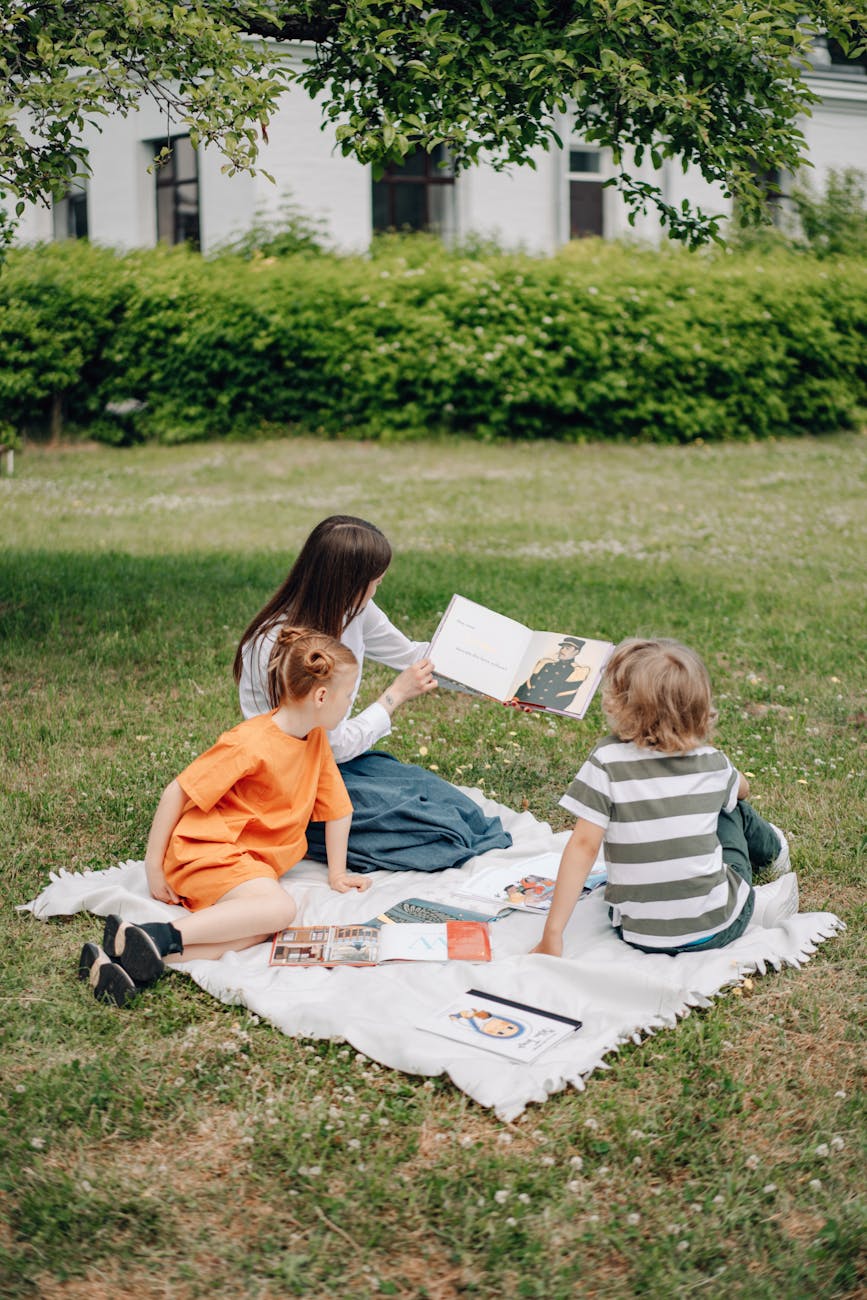
Take the learning outside! Throw a beach towel over your shoulder and head outside with a basket of your class’s favorite read-alouds. Let kids bring a stuffed animal or pillow from home and turn your playground into the coziest outdoor reading nook ever. Bonus: Let them “read” to their stuffies for extra giggles.

Photo by Mikhail Nilov on Pexels.com

2. Autograph Books with Heart

Print out simple autograph books for students to sign for each other, but here’s the twist: Encourage them to write compliments or favorite memories with each classmate. It turns into a keepsake they’ll actually read again—and it fosters kindness right up to the final bell.

3. Theme Days That Bring the Party

Go out with a bang by turning the last week into a celebration!

  • Monday: Hat Day 🧢
  • Tuesday: Game Day 🎲
  • Wednesday: Wacky Socks + Dance Party 🧦🕺
  • Thursday: Art Explosion 🎨
  • Friday: Pajamas & Popcorn Movie Day 🎬🍿

Each day = simple. The fun = major.

4. Letters to the Future

Have students write letters to their “next grade selves.” They can write what they’re excited for, what they want to remember, or even what they hope their next teacher knows about them. Seal them up and send them home with a sticker that says, “Open the night before school starts!”—trust me, parents will thank you!

Photo by KATRIN BOLOVTSOVA on Pexels.com
Photo by Yan Krukau on Pexels.com
Photo by Pavel Danilyuk on Pexels.com

5. Mini Graduation Ceremony

Kinders, firsties, and second graders LOVE feeling official. Print “diplomas,” play the graduation song, and hand out rolled-up certificates with their names written in big, bold print. Take lots of pics. Be warned: tears (from you) are very possible.

6. End-of-Year Memory Posters

Pass out big sheets of paper and markers and let your students create memory posters with drawings, classmate names, and favorite things they learned this year. Hang them in the hallway like your own class museum!

7. Pack with Purpose

Turn cleaning into a classroom job! Assign students to “teams” to help pack up supplies, sort books, or clean centers. Throw on some fun music and make it a competition (with a dance break halfway through, of course). Give awards like “Best Bin Organizer” or “Most Spirited Sweeper.”

Photo by Pixabay on Pexels.com

✨ Don’t Forget: YOU Made Magic Happen

Before you turn off the classroom lights and head out for some well-deserved rest, take a second. Look around. Remember the hugs, the lightbulb moments, the giggles during read-alouds, and even the glitter spills. You’ve changed lives this year. That’s not just worth celebrating—it’s worth shouting from the rooftops.

You’ve got this, teacher friend. Let’s finish strong—then rest even stronger. 💛 -Adam

🌸 Spring Into Learning: Easy Ways to Take the Classroom Outside!

Spring has officially sprung—and if your students are anything like mine were, they’re itching to break free from the four walls of the classroom and breathe in that fresh spring air. And honestly? I don’t blame them one bit!

The good news is, learning doesn’t have to stop when the doors swing open. In fact, some of the best lessons come to life when we step outside. Here are some simple, low-prep ways to bring your PreK–2nd grade learners outdoors for some sunshine-fueled fun (and yes, you can count it as instructional time 😉).

Nature Walk & Write

What You’ll Need: Clipboards, paper, pencils or crayons
Take a walk around the school yard or nearby park and turn it into a writing adventure!

  • PreK–K: Have students draw something they see outside (a flower, a tree, a bird) and label it.
  • 1st–2nd: Turn it into a “Spring Senses” writing prompt. What do they see, hear, smell, and feel?

Bonus Tip: Add magnifying glasses for a little scientist flair! 🔍

Sidewalk Chalk Spelling & Math

What You’ll Need: Chalk. That’s it. Boom.
Let kids practice spelling words, math facts, or even writing sentences with chalk on the sidewalk or blacktop.

  • Write word family “houses” and have students fill in rhyming words.
  • Hopscotch their way through number bonds or math facts.
  • Create a life-sized number line or alphabet trail to jump through!

Messy hands = happy minds.

Outdoor Story Time

What You’ll Need: A book and a blanket (or just the grass!)
Take your read-alouds outside and let nature be your cozy classroom. Add a fun twist:

  • Read The Very Hungry Caterpillar and then go hunt for bugs!
  • Read If You Find a Rock and let students collect their own rocks and write stories about them.

Because let’s be honest—books + birds chirping = teacher bliss.

Science in Bloom

What You’ll Need: Curiosity and a few simple tools
Spring is science gold.

  • Plant seeds in clear cups and observe root growth daily.
  • Use clear jars to create mini greenhouses.
  • Bring out the bubbles to explore wind, force, and direction.
  • Set up a “weather station” with student-made tools to track changes.

Your classroom meteorologists will be all in.

Art in the Wild

What You’ll Need: Paint, paper, nature
Take art class outdoors and paint with Q-tips, leaves, pinecones—you name it.

  • Try “Nature Collages” using twigs, grass, petals, and more.
  • Let kids lie down and sketch what they see above them.

Creative + calming = teacher win.

Scavenger Hunt with a Purpose

What You’ll Need: Printed checklists or picture boards
Make a simple scavenger hunt focused on shapes, colors, numbers, or letters.

  • “Find something shaped like a triangle.”
  • “Find 3 things that start with ‘S.’”
  • “Find 5 different colors.”

This is sneak-attack learning at its finest.


💡 Final Thought

You don’t need to reinvent the wheel—or even roll the cart outside. Sometimes all it takes is a good book, some fresh air, and a little imagination to turn a spring day into a teachable moment.

So go ahead—open those doors, let in the sunshine, and take learning outside. Your students (and your sanity) will thank you. 🌞

Let’s make learning bloom,
Adam

The Classroom Collaborative is BACK!

Hey teacher friends!
Adam here—and I’ve got some major news you’re going to want to sit down for (or at least hit pause on laminating that center you’re prepping): The Classroom Collaborative Podcast is coming back with BRAND NEW episodes starting March 30, 2025! 🎉

Yep, you read that right. Deedee Wills and I are dusting off the mics, freshening up our teacher talk, and diving back into the real, raw, and ridiculously fun conversations that make The Classroom Collaborative a must-listen for educators everywhere.

If you’ve been with us from the beginning—first off, THANK YOU. You already know this podcast was born out of a passion for helping teachers feel inspired, equipped, and like they’re not alone in this wild world of education. And if you’re new here—welcome!

Over the years, we’ve had some incredible conversations, and our listeners can’t stop talking about episodes like:
🎧 “Creating a Classroom Community That Works” – where we shared simple strategies that actually build connection and culture.
🎧 “Real Talk About Teacher Burnout” – the episode that made everyone say, “Were they reading my mind??”
🎧 “Our Favorite Classroom Management Tips (That Don’t Involve Clip Charts!)” – because we all know there’s a better way.
🎧 “Tech Tools That Save You Time – Not Waste It” – because none of us need another app that requires 47 logins.

And now… we’re back. With even more goodness to come.

Starting March 30, 2025, we’re relaunching with a fresh lineup of episodes designed to uplift, encourage, and empower educators like YOU. Expect honest convos, plenty of laughs, some fabulous guests, and of course—real strategies you can use tomorrow in your classroom.

So what can you do to get ready?
✅ Hit “Follow” or “Subscribe” on your favorite podcast platform
✅ Browse past episodes and catch up on the gold you might’ve missed
✅ Tell your teacher BFFs, your team, your principal—anyone who needs a little more joy in their professional life
✅ Set a reminder for 3/30/25 and get ready to press PLAY!

We can’t wait to be back in your earbuds.
Here’s to keeping the heart in teaching and the fun in professional development. 🧡

Stay amazing,
Adam

Take Time for You This Spring Break!

Hey there, amazing teachers! We’ve made it to spring break! The time of year when we can take a deep breath, reset, and maybe—just maybe—drink that morning coffee while it’s still hot. (Crazy, right?)

Spring break is a much-needed pause in the middle of the school year madness. And, if you’re anything like me, you probably wrestle with a little guilt when it comes to stepping away from school for a full week. But let me remind you: You deserve this break. You’ve spent months pouring your energy into your students, giving your best every single day. Now, it’s time to give yourself the same care and attention.

Rest, Recharge, and Remember Why You Teach

This week is for you, teacher friend. Whether that means catching up on sleep, spending time with family, reading a book that has nothing to do with education, or just sitting in silence (because let’s be real, silence is a rare luxury in the classroom), do it without guilt. You can’t pour from an empty cup, and taking care of yourself isn’t just good for you—it’s good for your students, too!

And speaking of students…

They’re Going to Miss You

I know, I know. It’s hard to imagine sometimes, especially on those tough days when you feel like you’re repeating yourself a hundred times. But trust me—your students are going to be counting down the days until they get to see you again.

For many kids, school is a safe, happy place. It’s where they feel seen, valued, and cared for. You are a huge part of that. So while you’re soaking up the joy of spring break, just remember—your students will be just as excited to hear about your adventures as they will be to share their own.

Welcome the Last Stretch with a Fresh Perspective

When you walk back into your classroom after break, your students will be refreshed, excited, and (hopefully) ready to tackle the final stretch of the year with you. And because you took the time to recharge, you’ll be ready, too. This last part of the school year is filled with special moments—growth, celebrations, and, of course, all those little daily interactions that remind you why you love teaching in the first place.

So go ahead, enjoy your break. Sleep in, take a walk, binge-watch that show, or do absolutely nothing—guilt-free. Your students will be ready and waiting for you when you return, and because you took time for yourself, you’ll be ready for them, too!

Happy Spring Break, teacher friends! You deserve it! -Adam