Keeping the Energy High: Engaging Primary Students Indoors During Winter

Winter is here, and while we may love the cozy vibes, the short days and chilly temps mean our students are spending more time indoors. Keeping young learners engaged when they can’t burn off energy outside can feel like a challenge, but it’s also an opportunity to mix things up, get creative, and bring the fun inside! Here are some easy, high-energy ideas to keep your primary classroom lively all winter long.

1. Movement Breaks Are a Must!

Just because you’re indoors doesn’t mean kids have to sit still! Incorporate quick movement breaks throughout the day to keep their bodies and brains engaged. Try:

  • GoNoodle or YouTube dance breaks—because who doesn’t love a good freeze dance? Some of my favorite videos to use are from Harry Kindergarten Music!
  • Deskercise—simple stretches, toe touches, or jumping jacks between lessons.
  • Indoor scavenger hunts—give kids quick missions to find objects or match colors around the room.

2. Bring the Outdoors In

If you can’t take the kids outside, bring a bit of winter into your classroom. Try:

  • Snow-themed sensory bins (even fake snow works!)
  • STEM challenges like building marshmallow and toothpick snowflakes.
  • “Snowball” fights with crumpled paper that have sight words, math problems, or vocabulary words written on them—students throw, grab, and solve!

3. Themed Learning Days

Shake up your weekly routine by throwing in themed days to boost engagement. Some favorites:

  • Pajama & Cozy Reading Day – Bring blankets, pillows, and flashlights for a magical reading adventure.
  • Winter Olympics – Set up learning stations with different academic “events.”
  • Hot Cocoa Math – Use marshmallows as manipulatives for counting, addition, or graphing.

4. Turn Up the Hands-On Learning

Winter is the perfect time to lean into project-based and hands-on learning to keep kids engaged. Try:

  • Crafts & Art Projects – Snowflakes, penguins, or mitten symmetry projects tie into math and creativity.
  • Cooking or Snack Creations – Let kids follow a simple recipe for a winter treat like “snowman” trail mix or decorate cookies with a lesson on fractions.
  • Science Experiments – Explore states of matter by melting ice cubes or making “blubber gloves” to understand animal adaptations. Want some more fun Science ideas? Pick up a copy of The Science Box and our companion pack!

5. Create Classroom Traditions

Winter can feel long, so give your students something to look forward to by establishing fun traditions. A few ideas:

  • Mystery Readers – Invite surprise guests (parents, staff, or even a video call with a favorite author!) to read aloud. Try using this pack from me and my good friend, Deedee Wills, that helps get Mystery Readers started in your classroom!
  • Kindness Challenge – Have students complete one small act of kindness each day. This freebie is a great way to kickstart a kindness movement in your classroom. You can also watch my TEDx talk about kindness here!
  • Friday Fun Time – Dedicate a chunk of time each Friday to let students choose an engaging activity as a reward for their hard work.

Final Thoughts

Winter may keep us inside, but it doesn’t have to dampen our classroom energy! With a little creativity, movement, and hands-on fun, you can turn those long, cold months into a time of excitement and engagement for your students. So throw on those fuzzy socks, grab a cup of coffee, and let’s make this winter season one to remember!

What’s your favorite way to keep kids engaged indoors? Drop your ideas in the comments!

Fun & Frosty Snow-Themed Science Experiments for the Classroom! ❄️🔬

Hey, teachers! Winter might mean indoor recess and extra layers, but it’s also the perfect time to bring some snowy science fun into your classroom! Whether you live in a winter wonderland or a place where snow is just a dream, these easy, hands-on snow-themed science experiments will engage your students and spark curiosity.

The best part? No real snow required (though if you have it, even better)! Let’s dive into some cool (literally) science experiments that will make your classroom feel like a winter wonderland.


1️⃣ Instant Snow – Is It Magic or Science? 🌨️

Ever wanted to make snow appear out of nowhere? Well, here’s a super simple science experiment that lets your students create their own instant snow!

What You Need:

  • Instant snow powder (found online or at craft stores)
  • Water
  • A clear plastic container

What to Do:

  1. Pour a small scoop of instant snow powder into the container.
  2. Slowly add water and watch the snow expand instantly!
  3. Let students touch and explore the fluffy, cool snow.

The Science Behind It:

The instant snow is made from a superabsorbent polymer (like the material in baby diapers). It soaks up water and expands 100 times its size, creating a fluffy, snow-like substance. No frostbite included!

👉 Extension: Test what happens if you add cold vs. warm water—does the snow behave differently?


2️⃣ The Melting Race: What Makes Snow Melt Fastest? ☀️ vs. ❄️

This one is great for introducing states of matter and conducting simple experiments on melting points!

What You Need:

  • Real snow (or instant snow)
  • Salt
  • Sugar
  • Sand
  • Warm water
  • 4 clear cups

What to Do:

  1. Fill each cup with the same amount of snow.
  2. Sprinkle salt in one, sugar in another, sand in the third, and leave the last one as a control.
  3. Observe which one melts the fastest and slowest over time.
  4. Record findings and discuss why some materials speed up melting!

The Science Behind It:

Salt lowers the freezing point of water, causing snow to melt faster (which is why we use it on icy roads). Sugar also affects the melting process, but differently than salt. Sand, on the other hand, absorbs heat, which helps speed up melting too!

👉 Extension: Try different materials like baking soda or vinegar to see how they compare!


3️⃣ Frozen Bubbles – Watch Ice Crystals Form! 🫧❄️

If you’ve ever blown bubbles in the freezing cold, you might have noticed something magical—they freeze into ice globes! Let’s recreate that!

What You Need:

  • Bubble solution (store-bought or homemade)
  • A straw or bubble wand
  • Freezing temperatures (below 32°F / 0°C)

What to Do:

  1. Head outside on a freezing day and blow bubbles into the cold air.
  2. Watch as the bubbles freeze in midair and turn into delicate ice spheres!
  3. If it’s not cold enough outside, try placing a pan of bubbles in the freezer and observe what happens.

The Science Behind It:

Bubbles are thin layers of water and soap molecules. When exposed to freezing temperatures, the water in the bubble crystallizes, creating beautiful ice patterns. The colder it is, the faster they freeze!

👉 Extension: Try using different bubble solutions (homemade vs. store-bought) and see if they freeze differently!


4️⃣ Snowstorm in a Jar – A Blizzard You Can Control! 🌪️❄️

Want to bring a blizzard indoors without the cold? This experiment creates a swirling snowstorm effect inside a jar!

What You Need:

  • A clear jar (mason jar or plastic bottle)
  • Baby oil
  • White paint + water (or Alka-Seltzer for a bubbling effect!)
  • Glitter (optional, but fun!)

What to Do:

  1. Fill the jar 3/4 full with baby oil.
  2. Mix white paint with water in a separate cup, then pour it into the jar.
  3. Drop in small pieces of Alka-Seltzer and watch the storm swirl!

The Science Behind It:

The baby oil and water don’t mix (density difference), and the Alka-Seltzer creates a chemical reaction that makes the “snow” swirl like a real winter storm!

👉 Extension: Add blue food coloring for a “snowy night” effect!


5️⃣ Grow Ice Like Elsa – Supercooling Water!

This is one of the coolest science tricks—turning liquid water into ice instantly!

What You Need:

  • Purified water (bottled water works best!)
  • A freezer
  • A small bowl
  • An ice cube

What to Do:

  1. Place a sealed bottle of purified water in the freezer for 2-3 hours.
  2. Carefully remove it (without shaking it too much).
  3. Slowly pour it over an ice cube in a bowl—and watch it freeze instantly!

The Science Behind It:

This experiment works because the purified water is “supercooled”, meaning it’s below freezing temperature but hasn’t turned into ice yet. When you pour it over an ice cube, the ice crystals form instantly like magic!

👉 Extension: Try using tap water vs. bottled water—does one work better?


Bring the Snow Science Fun to Your Classroom! ⛄🔬

Winter is a perfect season for hands-on science, and these experiments will keep students engaged, curious, and learning while having fun! Whether you’re creating a blizzard in a jar, making instant snow, or growing ice before their eyes, these activities bring real-world science to life in an exciting way.

So grab your lab coats (or mittens!), and let’s explore the wonders of winter science! ❄️✨

Want even more SCIENCE FUN?!?! Get your copy of The Science Box today!

📢 Teachers, which snow experiment are you most excited to try? Let me know in the comments below! ⬇️

Valentine’s Fun!

Hey there, amazing educators! Valentine’s Day is just around the corner, and it’s the perfect opportunity to infuse your primary classroom with love-themed activities that are both fun and educational. Let’s dive into some engaging ideas across reading, math, science, and art that your students will absolutely adore!

“Love Is…” Heart Messages

Start by cutting out paper hearts and have each student write a way they can show love. For example: “Love is baking cookies with grandma!” or “Love is taking my dog for a walk.” Display these heartfelt messages around the classroom or on a bulletin board to create a warm and loving environment.

Heart-Shaped Graphing

Incorporate math into Valentine’s Day by having students create heart-shaped graphs. Provide them with heart stickers or stamps in different colors and have them sort and count the different colors, then graph their findings on a heart-shaped grid. This activity combines counting, sorting, and graphing skills in a festive way. You can also do this with candy hearts using this freebie here!

Marbled Heart Paintings

Let your students explore their creativity by making marbled heart paintings. Using shaving cream and food coloring, students can create marbled paper and then cut out heart shapes once the paper dries like the ones above from ProjectswithKids.com. This art project results in beautiful, unique designs that can be used to decorate the classroom or taken home as a keepsake.

I hope these activities help make your Valentine’s Day both educational and fun for your students. Remember, the best learning happens when students are engaged and enjoying themselves. Happy Valentine’s Day, and happy teaching!  -Adam

Lights Still Up? That’s ok!

Teaching is a profession filled with hustle and bustle, with days that feel like a sprint from the moment the bell rings to when the last student leaves the room. But what if we paused? What if we allowed ourselves to slow down, to breathe, and to embrace the moments that make this career so beautiful? Today, I want to remind you of something simple yet profound: it’s okay to slow down, to soak in the good moments, and yes, even to still have your Christmas lights up in January (or beyond!).

The Beauty of Slowing Down

In a world where everything feels urgent, teaching can sometimes become a checklist of tasks. Grade these papers, prepare that lesson, respond to those emails. But when we’re running at full speed, we can miss the magic that happens in our classrooms.

Slowing down isn’t just about pacing yourself; it’s about making space for the moments that matter. It’s the spontaneous laughter during a lesson that didn’t go as planned, the quiet “aha” moment when a student finally gets it, or the heartfelt conversations that remind us why we chose this profession. When you slow down, you’re not just teaching—you’re connecting, inspiring, and being present.

Soak in the Good Moments

Every day in the classroom is filled with little gifts if you know where to look. The student who doodled a picture of you on their math worksheet, the one who stayed behind to say “thank you” after class, or the way your students’ faces light up when they finally understand a tricky concept. These moments are the heartbeat of teaching, and they deserve our attention.

When we rush through our days, we risk glossing over these precious snippets of joy. Make it a habit to notice them. Write them down in a journal, share them with a colleague, or simply let them be the highlight of your day. These moments are not interruptions; they are the essence of why we teach.

The Christmas Lights Stay Up

Now, about those Christmas lights. If you’ve still got them twinkling in your classroom well past the holidays, let me tell you something: it’s okay. More than okay, actually. Those lights might be the cozy glow your students look forward to each day. They might be the small piece of joy that makes your room feel like a home away from home.

Teaching isn’t about perfection; it’s about connection. If your Christmas lights bring a little happiness to your students (and let’s be honest, to you too), why rush to take them down? There’s no rule that says holiday decor must disappear with the new year. Sometimes, the best traditions are the ones that linger.

Permission to Be Human

We often feel pressure as teachers to have it all together all the time. But here’s the truth: it’s okay to be human. It’s okay to leave the decorations up, to have a stack of ungraded papers, and to not always have the perfect lesson plan. Your students don’t need you to be perfect; they need you to be present.

When you slow down and let go of unnecessary pressures, you create a space where both you and your students can thrive. And isn’t that what teaching is all about?

Final Thoughts

As you move through this week, give yourself permission to pause. Take a moment to notice the joy around you. Keep the Christmas lights up if they make you happy, and remember that some of the best parts of teaching aren’t found in the lesson plans or the to-do lists—they’re in the connections, the laughter, and the moments of shared humanity.

Here’s to slowing down, soaking it in, and shining—just like those twinkling lights. You’ve got this. -Adam

Fostering Thankfulness in the Elementary Classroom

The ability to practice gratitude is like a muscle: the more we exercise it, the stronger it becomes! And there’s no better place to help kids develop a habit of thankfulness than right in the classroom. When we intentionally focus on what we’re thankful for, we create a positive atmosphere where students feel more connected, happy, and engaged. Here are some easy and fun activities you can use to infuse a little more gratitude into your day-to-day teaching, helping students recognize and appreciate the good things in their lives.

1. Gratitude Journal Jar

One of the simplest ways to cultivate gratitude is to encourage students to reflect daily on what they’re thankful for. Here’s a quick and easy way to do it with a twist!

  • Set up a “Gratitude Jar” in your classroom. Each day, students can write down one thing they’re grateful for on a small slip of paper and drop it into the jar.
  • At the end of each week (or month), pull out a few slips and read them aloud as a class. It’s an uplifting way to end the week and allows students to hear what their classmates appreciate, too.

Why It Works: The Gratitude Journal Jar gives students a simple, structured way to practice gratitude daily, but also adds an element of anticipation and surprise at the end of the week when they get to hear others’ grateful moments.

2. Thankfulness Alphabet

A great warm-up activity or brain break, the Thankfulness Alphabet encourages students to think deeply about all the people, places, and things they’re thankful for.

  • Write the alphabet on a whiteboard or hand out a sheet with letters A to Z.
  • Challenge students to think of one thing they’re thankful for that starts with each letter. They can work individually, in pairs, or as a class.
  • For younger kids, model a few letters first (like “A is for apples, B is for books”) to get them started.

Why It Works: This activity helps kids expand their sense of gratitude by thinking creatively and exploring areas they might not initially consider. It also reinforces letter-sound connections in a meaningful context!


3. Gratitude Partner Letters

Writing thank-you notes is a powerful way to express appreciation—and it’s a skill we can help kids practice, too!

  • Once a month, pair up students to write letters of gratitude to one another. You could assign partners or let them choose.
  • Ask each student to write a note to their partner, sharing a specific compliment or thanking them for something they’ve done recently (maybe it’s lending a pencil, sharing a laugh, or being a good friend).
  • Students can read the letters aloud to each other or keep them as a keepsake.

Why It Works: Not only does this activity encourage students to look for positive traits in their classmates, but it also helps them practice their writing skills in a meaningful way. Plus, receiving a heartfelt note can be a confidence booster for students.


4. Gratitude Art Wall

Art is a fantastic medium for expressing emotions, and gratitude is no exception!

  • Set up a “Gratitude Art Wall” or bulletin board where students can add their own drawings, poems, or pictures about things they’re thankful for.
  • Once a week, give students a few minutes to create a piece of art that represents something they’re grateful for and add it to the wall.
  • At the end of each month, you can have a “Gratitude Art Walk” where the class goes around looking at everyone’s artwork and discussing what each person has chosen.

Why It Works: Visual expression allows students to explore gratitude in a non-verbal way, which is especially helpful for younger students or those who might struggle with writing. The art wall is also a constant reminder of positivity in the classroom.


5. Thankfulness Sharing Circle

Class meetings or morning circles are perfect times to practice gratitude collectively.

  • Start or end each week with a “Thankfulness Circle.” Go around and have each student share one thing they’re thankful for from the past week.
  • Encourage students to be specific (e.g., “I’m thankful for my mom making my favorite dinner” instead of just “I’m thankful for my mom”).
  • For extra variety, have a theme each week—like “people you’re thankful for” or “things in nature you’re grateful for.”

Why It Works: This activity not only strengthens gratitude but also builds community within the class. It allows students to learn more about each other, and it’s a low-pressure way to practice public speaking.


6. Random Acts of Kindness Bingo

Gratitude and kindness go hand in hand! This activity encourages students to act on their gratitude and spread kindness in the classroom.

  • Create a Bingo card with different acts of kindness on each square (like “Help a friend,” “Write a thank-you note,” or “Compliment someone”).
  • When students complete an act of kindness, they can cross it off.
  • Set a class goal to fill a line or even the whole board in a certain time frame. Consider a small celebration or reward once the Bingo card is completed!

Why It Works: This activity connects gratitude with action and helps students realize they can make a difference in the lives of others. It’s also a fun, cooperative game that builds teamwork.


Practicing gratitude isn’t just a “feel-good” activity—it’s a habit that can genuinely impact students’ well-being and social-emotional development. With these simple activities, you’ll be able to weave gratitude into the fabric of your classroom all year long, helping students develop positive attitudes and resilient mindsets.

Try out one or two of these ideas and see how your classroom culture transforms! Remember, the most powerful part of gratitude is the consistency. Keep going, and you’ll find yourself with a classroom full of grateful hearts! -Adam

Building Strong Number Sense in Elementary Students: A Teacher’s Guide

As elementary teachers, we know that teaching math goes beyond just giving students algorithms to solve problems. We need to focus on building number sense—a deep understanding of numbers and their relationships—so that students can approach math confidently and flexibly.

At its core, number sense is all about making sense of numbers, seeing the connections between them, and being able to use that understanding to solve problems in creative ways. Strong number sense helps students not only understand how to solve problems but why those solutions work. When we nurture number sense early on, we set our students up for success throughout their entire math journey.

Let’s explore some practical strategies to build number sense in your classroom—no fancy programs required!

1. Make Math Talk a Daily Habit

One of the simplest and most effective ways to develop number sense is through daily math talks. Start each day with a short, low-pressure discussion around a math concept or problem. The goal isn’t to get the “right answer” quickly but to get students talking about their thinking process.

For example, show your class a number like 24 and ask, “What do you notice about this number?” You’ll be amazed at how much your students will say. Some might mention that it’s even, others might connect it to a multiplication fact (6 x 4), while some may break it into 20 + 4. These kinds of discussions allow students to see numbers in many different ways and build their confidence to share ideas.

Tip: Use visuals like ten frames, number lines, or base-ten blocks to support these conversations. Students often need to “see” numbers before they can manipulate them mentally.

2. Play with Numbers—Literally!

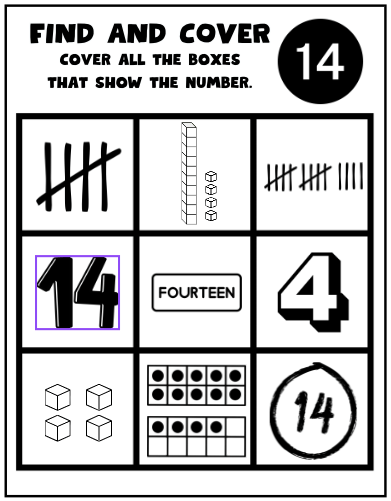
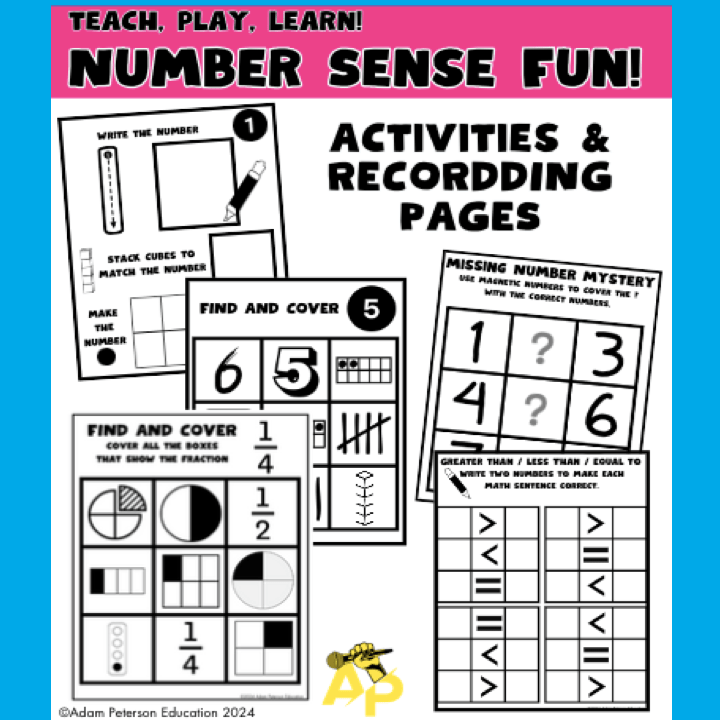
Learning number sense is much like learning a language: kids need lots of exposure, practice, and playful interaction. Incorporate games that emphasize number sense into your routine. Simple card or dice games like War, I Have/Who Has, or Find And Cover can provide endless opportunities for students to practice number relationships. My Number Sense Fun Pack has multiple versions of Find And Cover and is available for only $5.00!

Not only do games engage students and make math fun, but they also provide opportunities for meaningful practice without the pressure of formal assessments. Games naturally allow students to think strategically and make connections between numbers, all while having a great time.

Try using classic board games like Chutes and Ladders or Connect 4 for more number fun with your students!

3. Encourage Multiple Strategies

When we teach students that there’s more than one way to solve a problem, we empower them to be flexible thinkers. Encourage your students to share different strategies for solving the same problem. For example, when solving 28 + 17, one student might use traditional stacking and adding, while another might break apart the numbers to add (20 + 10) + (8 + 7).

Ask students to explain their thinking and compare different strategies. This type of discussion helps all learners understand that math is not just about getting the answer but understanding the why behind it. Plus, seeing a variety of strategies reinforces that numbers are fluid and can be manipulated in many ways.

4. Use Real-Life Contexts

Number sense becomes even more powerful when students see how it applies to the real world. Use real-life contexts to show students that math is everywhere. Whether you’re estimating how many chairs are in the cafeteria or figuring out how much time is left until recess, involving students in these everyday number decisions builds their practical understanding of numbers.

Classroom Idea: Create a classroom economy where students can earn and spend “money” for classroom jobs or privileges. This kind of activity makes number sense more meaningful and gives students authentic practice with numbers, operations, and problem-solving.

5. Build Mental Math Muscles

Mental math is a key component of number sense because it forces students to rely on their understanding of number relationships rather than pencil-and-paper algorithms. Regularly practice mental math routines in your classroom to help students strengthen their mental math muscles.

For younger students, start with simple tasks like “What’s 5 more than 12?” or “What’s 2 less than 9?” As students become more comfortable, increase the complexity by asking questions that encourage flexible thinking, like “What two numbers add to 25?” or “What’s 23 + 9?”

Pro Tip: Celebrate the process as much as the answer. Ask students to share how they solved the problem and, if appropriate, invite others to share alternate strategies.

6. Create a Number-Rich Environment

A number-rich environment is key to helping students build number sense. This doesn’t mean your classroom has to be filled with complicated math posters. Instead, focus on creating an environment where students can explore numbers in ways that make sense to them.

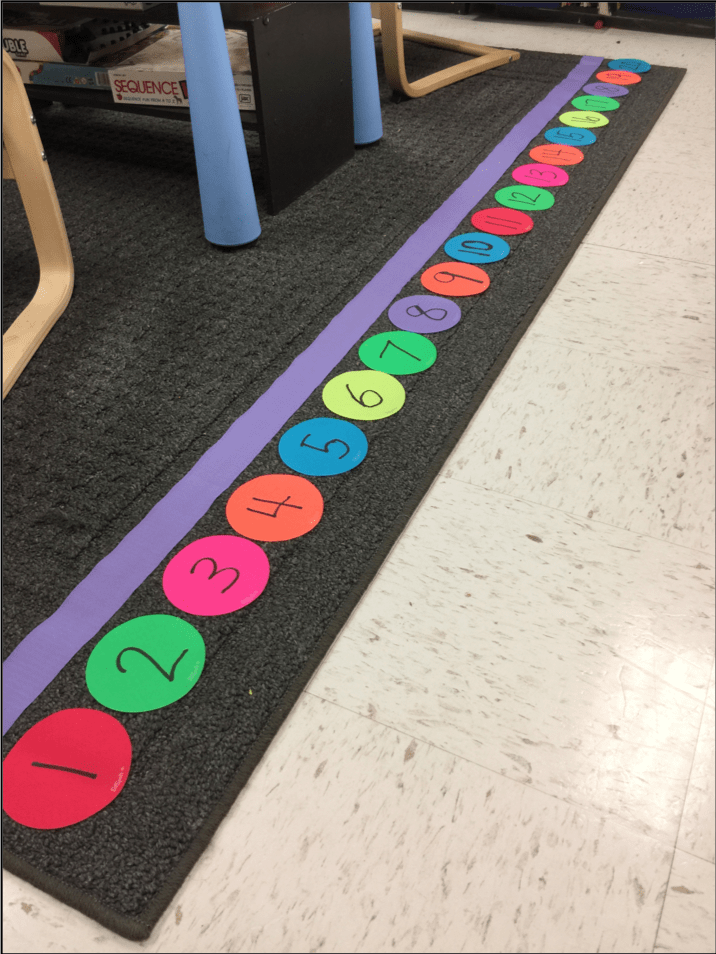
Put up interactive number lines, have math manipulatives readily available, and use anchor charts that showcase different strategies for solving problems. When students see math in their everyday surroundings, they’re more likely to make connections on their own.

These dots from SitSpots are a great way to create an interactive number line on the floor that can be manipulated by students!

Go DO Math!

Building number sense takes time, but it’s one of the most rewarding parts of teaching math. When students understand numbers deeply, they become more confident, flexible thinkers. And when they can approach math problems from multiple angles, they’re better equipped to tackle the challenges ahead.

Remember, number sense isn’t just a skill we teach in one unit—it’s something we nurture every day through conversations, play, and authentic experiences. So, let’s keep our classrooms buzzing with math talk, playful learning, and a love for numbers!

If you’re looking for a fun way to practice number sense through games and activities in your classroom take a look at my Number Sense Fun Pack on TeachersPayTeachers. It is 100 pages of various activities covering numbers 1-20, greater than/less than, and beginning fractions!

Click the image to get it today for only $5.00!

Keep believing in your students, and keep fostering that love for learning!

Happy Teaching! -Adam

Making Parent-Teacher Conferences a Positive Experience

Parent-teacher conferences are a crucial opportunity to connect with families and build strong relationships that support student success. But let’s face it, they can be nerve-wracking for everyone involved—teachers, parents, and even students. How can we as educators create a welcoming, productive, and positive environment that ensures the best outcomes for our students? Here are some ideas and tips to help make your parent-teacher conferences a positive experience for all!

1. Prepare with Purpose

Preparation is key! Before the conference, review each student’s progress and have specific examples ready. Data like test scores and grades are important, but be sure to include anecdotes that highlight students’ strengths, growth, and areas for improvement. Personal stories or projects they’ve worked hard on help parents see the whole child, not just the numbers.

The BEST way I’ve ever found to collect, review, and report data in a parent-friendly way is with ESGI! ESGI is a one-stop-shop when it comes to progress monitoring and offers a multitude of assessments as reports! You can sign up for a free 60-day trial of ESGI with no credit card requried at this link! Try it today!

It’s also helpful to think about the questions you might ask parents. What insights can they offer you about their child’s learning habits, challenges, or interests? Engage them as partners in their child’s education.

Tip: Send home a brief questionnaire or survey before conferences. Ask parents if there’s anything specific they’d like to discuss. This not only helps you prepare but also shows parents that their input is valued.

2. Set a Welcoming Tone

The atmosphere you create can have a big impact on the tone of the meeting. Begin with a warm, welcoming greeting, and make sure your classroom or meeting space is inviting. This could mean soft lighting, having student work on display, or simply arranging chairs so it feels less formal and more conversational.

Start the conversation with something positive—share a win or a success story about the student. This helps put parents at ease and sets a collaborative tone. When parents see that you know and care about their child as an individual, it makes the tougher conversations about areas for improvement easier.

Tip: Have a “glow and grow” mindset. Celebrate what students are doing well (the glow) and then move into what they can improve on (the grow). This framing keeps the meeting balanced and positive.

3. Focus on Solutions, Not Problems

When discussing challenges, it’s easy to focus on what’s wrong, but try to steer the conversation toward solutions. For example, instead of saying “Liam doesn’t finish his homework,” you might say, “I’ve noticed Liam sometimes struggles with finishing his homework. I’d love to work with you to find some strategies that might help him stay on track.”

This approach turns the conversation from a critique into a team effort. Ask parents for their thoughts and suggestions, and share strategies you’ve used or are planning to implement in the classroom.

Tip: Have a few resources ready to share. Whether it’s a list of homework tips, reading strategies, or tools for helping with organization, giving parents tangible takeaways can make them feel empowered to support their child at home.

4. Be Mindful of Time

Conferences are usually packed into a tight schedule, so keeping track of time is crucial. Start by giving an overview of the conversation: “We’ll begin with some positives, discuss areas for growth, and finish with next steps.” This lets parents know what to expect and ensures that no topic dominates the meeting.

Tip: Set a timer if needed, or use a visual cue to stay on track.

5. End with a Plan

Leave parents with a clear plan for how you’ll support their child moving forward. What steps will be taken in the classroom? What can parents do at home? Make sure the parents know they’re part of the team and that you’re available for follow-up questions.

Tip: Send a follow-up email after the conference, summarizing the key points and any action items. It’s a great way to reinforce the partnership and keep communication open.

6. Build Long-Term Relationships

Parent-teacher conferences are just one touchpoint in the school year. Continue to engage with families beyond these meetings. A positive phone call home or a quick note about something great the student did can go a long way in building trust and collaboration with parents.

Tip: Consider holding student-led conferences. These give students the chance to take ownership of their learning and share their progress with their parents, making the experience even more meaningful.

Final Thoughts

Remember, parents want what’s best for their child, just like you do. By preparing thoughtfully, focusing on solutions, and fostering a collaborative environment, you can turn parent-teacher conferences into a powerful opportunity to strengthen the school-home connection and support student success.

Happy conferencing! -Adam

October Fun for Everyone!

Happy October, teachers! The leaves are falling, the excitement for Halloween is building, and there’s a crispness in the air that just makes kids (and teachers!) feel alive. It’s the perfect month to incorporate fun, engaging, and educational activities with an autumn twist. Whether you’re looking to sprinkle in some Halloween fun or just embrace the season, here are some easy-to-implement ideas that will keep your students learning while having a blast.

1. Pumpkin Math 🎃 + ➗ = 🍂

Nothing says fall quite like pumpkins, and they’re a great tool to incorporate math lessons into your October activities. You can use small pumpkins for each student (or group) and have them:

  • Estimate and Measure: How many seeds do they think are inside? What’s the circumference of the pumpkin? Kids can make estimates, then check their predictions by counting the seeds or using measuring tapes.
  • Weight Comparisons: Weigh a variety of pumpkins and compare their weights. Create graphs of the class’s findings.
  • Seed Counting & Multiplication: Once the seeds are scooped out, use them for math! Have students group seeds by tens, fives, or ones to practice place value, or create multiplication problems based on the number of seeds they’ve found.

This activity combines tactile learning, estimation, and math concepts in a memorable, engaging way!

2. Spooky Story Writing 🕸️✍️📚

October is the perfect time to spark your students’ creativity with spooky (but not too scary) story writing. Here’s how to get started:

  • Story Starters: Provide prompts like, “One stormy night, I heard a strange noise coming from the attic…” or “The old, creaky house at the end of the street had been abandoned for years until…”.
  • Character Creation: Have students design their own “spooky” characters, such as friendly ghosts or magical creatures, and build their stories around these creations.
  • Spooky Soundtrack: Play some eerie background music (think gentle wind and creaky doors) to get your students in the mood. Encourage them to focus on descriptive language to set the scene and create suspense.

This activity is a wonderful way to encourage creative writing and expand vocabulary while celebrating the spooky fun of October.

3. Candy Corn STEM Challenges 🍬🧠🔬

Who says candy can’t be educational? Candy corn can be used in various fun STEM challenges that encourage problem-solving and teamwork:

  • Tower Building: Give students a pile of candy corn and some toothpicks. The challenge? Build the tallest candy corn tower they can! It’s a simple engineering task that helps develop fine motor skills and critical thinking.
  • Candy Corn Catapults: Provide popsicle sticks, rubber bands, and a spoon. Have students create their own candy corn catapults, then measure how far they can launch their candy.
  • Candy Corn Graphing: Use candy corn to create math graphs. Have students sort and graph by color or size, then analyze the data.

These hands-on challenges incorporate STEM principles while tapping into kids’ love for sweets!

4. Leafy Literacy Centers 🍁🔠

As the leaves fall outside, why not bring them into your literacy centers? Here’s how to make literacy seasonal and fun:

  • Word Building with Leaves: Collect leaves and write letters on them. Students can use the lettered leaves to build spelling words, sight words, or even practice their phonics skills.
  • Fall-Themed Reading Comprehension: Incorporate autumn-themed stories or passages into your guided reading groups. Follow up with comprehension questions that help kids dig deeper into the text.
  • Writing Prompts with Nature: Take your class on a mini nature walk to observe the changing season. Once back inside, have students write about their walk, focusing on sensory details like what they saw, heard, and felt.

This is an easy way to take something seasonal and connect it to your literacy curriculum.

5. Classroom Decorating Contest 🏆🎃🕸️

A little classroom spirit never hurts, and a decorating contest can help build community while getting your students excited about October! Here’s how you can turn this fun event into a learning opportunity:

  • Teamwork and Collaboration: Assign students to small groups, giving each a section of the classroom to decorate. They’ll need to plan, collaborate, and execute their ideas together.
  • Creative Problem Solving: Set limits—like only using construction paper, scissors, and glue—and see what students come up with. They’ll have to think outside the box to make their vision a reality.
  • Voting and Graphing: Once the room is decorated, have a class vote on the best sections. Create a graph or chart to tally the votes and analyze the results.

Decorating with a learning twist keeps things festive while reinforcing social and math skills!

6. Halloween Read Alouds 📚👻

Nothing beats a good read-aloud to get students in the Halloween spirit. Some of my favorites for October include:

  • Room on the Broom by Julia Donaldson – A fun, rhyming tale that students love!
  • The Little Old Lady Who Was Not Afraid of Anything by Linda Williams – Great for building suspense and helping students make predictions.
  • Creepy Carrots by Aaron Reynolds – A hilarious story with just the right amount of spooky fun.

Pair these read-alouds with comprehension activities, discussion prompts, or even a quick craft to tie it all together.

October is a month full of opportunities to bring seasonal excitement into your classroom. Whether it’s through math, literacy, STEM, or creative activities, adding a little autumn flair makes learning even more engaging for your students. Try out some of these ideas, and watch your classroom come alive with October magic!

Keep it fun, keep it spooky, and keep the learning going strong! 👻🎃 -Adam

Guess who’s back! Let’s get this year started!

Well, looks like I took the entire summer off from blogging. We were definitely in summer vacay mode at our house this June and July! I hope you had a relaxing summer and are either rocking a new school year, or ready to kick it off! This is a time of renewal and reflection for teachers. Returning to school isn’t just about setting up classrooms and organizing lesson plans—it’s also about reconnecting with our purpose, understanding our students, and taking care of ourselves. Here are some of my essential tips to help you start the school year with a clear mind and an open heart.

1. Get to Know Your Students Beyond the Classroom

Building relationships is the cornerstone of effective teaching, no doubt about it. Each student brings a unique background, personality, and set of experiences into the classroom. Take the time to understand who they are beyond their grades and assignments.

  • Start with Conversations: Use the first few days to have informal chats with your students. Ask about their interests, hobbies, and what they’re looking forward to in the new school year. These conversations can lay the groundwork for a strong teacher-student relationship. Find at least 2 minutes a day to chat with a student and continue that process over the next week. You’ll be amazed at what you learn from listening to them.
  • Use Creative Icebreakers: Incorporate fun activities that allow students to share about themselves. Whether it’s a “Two Truths and a Lie” game or a creative “All About Me” project, these activities can provide insights into their personalities and learning styles.
  • Observe and Listen: Pay attention to how students interact with one another and the types of questions they ask. This can give you clues about their comfort levels, social dynamics, and areas where they might need extra support. There is a lot of power in child choice when it comes to who they play with, and what they are interested in.

2. Take Time for Yourself

Teaching is a rewarding yet demanding profession. To give your best to your students, you must also take care of yourself. Self-care is not a luxury; it’s a necessity.

  • Set Boundaries: Decide on a time each day when you’ll stop working and stick to it. Whether it’s turning off your work email or setting aside grading until tomorrow, setting boundaries helps prevent burnout. Try this: remove your school email account from your cellphone!
  • Find Your De-Stress Routine: Discover what helps you unwind. It could be a morning jog, reading a good book, practicing mindfulness, or simply enjoying a quiet cup of coffee. Whatever it is, make it a regular part of your day. We all know how important routines are for students – use that technique for yourself, too!
  • Connect with Colleagues: Build a support network with fellow teachers. Sharing experiences, challenges, and successes with others who understand can provide both emotional and professional support.

3. Remember Your Why

I know, I know. You’ve heard this a million times. As cliche as it may sound, teaching is more than just a job; it’s a calling. As you dive into the new school year, take a moment to reconnect with the reasons that brought you to this profession in the first place.

  • Reflect on Your Journey: Think back to the moment you decided to become a teacher. What inspired you? What impact did you hope to make? Revisiting these memories can reignite your passion and remind you of the bigger picture.
  • Celebrate Small Wins: Every day won’t be perfect, but every day holds moments of success. Celebrate the small victories—whether it’s a student finally grasping a difficult concept or a class discussion that sparks thoughtful debate. These moments are a testament to the difference you’re making.
  • Keep a Gratitude Journal: At the end of each day, jot down a few things you’re grateful for. This practice can help shift your focus from the challenges to the positives and remind you of the joy in teaching.

As you embark on another school year, remember that teaching is a journey filled with highs and lows, challenges and triumphs. By taking the time to connect with your students, prioritize your well-being, and reflect on your purpose, you can create a classroom environment that’s not only conducive to learning but also fulfilling for you as an educator. Here’s to a year of growth, connection, and remembering why you do what you do. It may not be the best year you’ve ever had in the classroom, but it’s up to you to make it the best year POSSIBLE for you and your students! -Adam

Happy May – It’s Almost Yellow Day!

Are you ready to paint your school yellow? I’m so excited about the upcoming Yellow Day on May 9th because this year we are celebrating 10 YEARS OF YELLOW!

Yellow Day, a celebration dedicated to spreading happiness and kindness, is an annual event that brings communities and schools together to remember the importance of being kind. What better way to celebrate than by donning our brightest yellow attire and spreading sunshine wherever we go?

So, what exactly is Yellow Day all about? Founded on the simple premise of spreading joy, Yellow Day encourages people to perform acts of kindness, share uplifting messages, and brighten someone’s day with a smile.

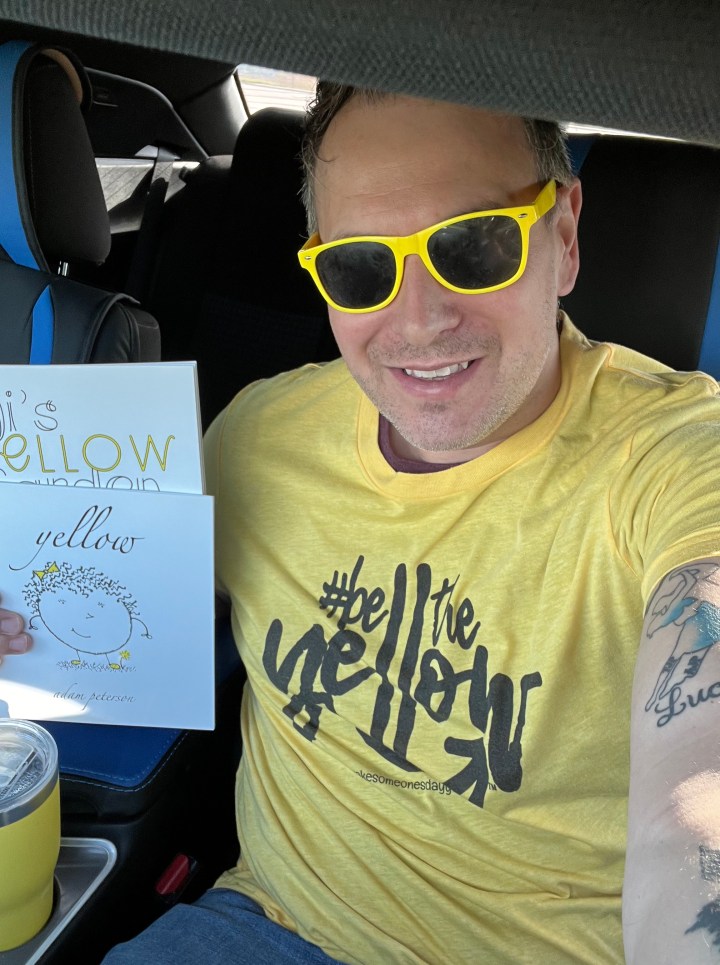
It’s a reminder that even the smallest gestures can have a significant impact on those around us. It was started in 2014 in memory of an amazing teacher and friend that made the days brighter for everyone she encountered. Her name was Honor, and she was my friend and teammate when I taught Kindergarten. Honor was the type of person that could brighten your darkest days just by being around her. She “turned people’s gray skies into yellow skies” – as stated in my children’s book dedicated to her called, Yellow.

This year, we’re excited to celebrate 10 years of being the YELLOW to amplify the message of positivity and kindness. YellowDay.org is treasure trove of resources, offering ideas and inspiration for how you can participate in Yellow Day festivities. Whether it’s sending a cheerful note to a friend, surprising a neighbor with a bouquet of yellow flowers, or simply spreading kindness wherever you go, there are endless ways to get involved and make a difference. You’ll also find my TEDx talk, “Be The Yellow” linked through that site to share with your students! You can also find a brand new FREE Yellow Day Activity Pack in my store here!

Yellow Day provides the perfect opportunity to instill important values in our students and communities, teaching them the importance of empathy, generosity, and spreading positivity.

So mark your calendars and join us in celebrating Yellow Day on May 9th! Let’s come together to spread sunshine, kindness, and joy to brighten the world around us. After all, a little bit of yellow goes a long way in making the world a brighter, happier place.

Until then, #betheyyellow everyday!

-Adam