
Fun, Fire Safety, and Learning All October Long!
October isn’t just about pumpkins and costumes—it’s also Fire Prevention Month, and that means it’s the perfect time to mix safety education with fun, engaging lessons across your curriculum. From read-alouds that spark great discussions to science activities that light up curiosity (without actually lighting anything!), here are some ways you can bring the heat—in the safest way possible.

📚 FIERY READ-ALOUDS THAT TEACH AND INSPIRE
Start Fire Prevention Month by igniting curiosity with a few great books that blend storytelling with important fire safety messages.
- “No Dragons for Tea: Fire Safety for Kids (and Dragons)” by Jean Pendziwol
🐉 A silly but smart book about a girl who invites a dragon to tea… and things get toasty. The book delivers fire safety lessons in a super kid-friendly way. - “Miss Mingo and the Fire Drill” by Jamie Harper
🔥A colorful, character-packed read about how students (animal ones, of course) react to a fire drill—perfect for talking about emotions and preparedness. - “Stop Drop and Roll (A Book about Fire Safety)” by Margery Cuyler
🔥 Full of relatable school scenarios and packed with safety strategies, this one is always a hit during read-alouds.
Activity Tip:
After reading, create a class anchor chart titled “What We Know About Fire Safety” and let students add facts throughout the month as they learn more.
🔢 MATH THAT’S 🔥HOT🔥
Yes, even your math block can get in on the fire prevention fun! Try these ideas:
- Firefighter Word Problems:
Use firefighter-themed story problems like: “Fire Station #2 has 3 trucks. Each truck holds 5 firefighters. How many firefighters are there in total?” - Fire Station Math Centers:
Set up stations with tasks like:- Counting fire hoses (unifix cubes or pipe cleaners)
- Sorting fire hats by color/size
- Graphing favorite emergency vehicles
- Estimation Station:
Fill a firefighter boot with red pom-poms (“fireballs”) and have students estimate and count how many are inside.
Bonus Tip:
Use firefighter clipart or plastic hats as math manipulatives to keep little learners engaged.
🔬 SCIENCE SPARKS: FIRE PREVENTION-STYLE
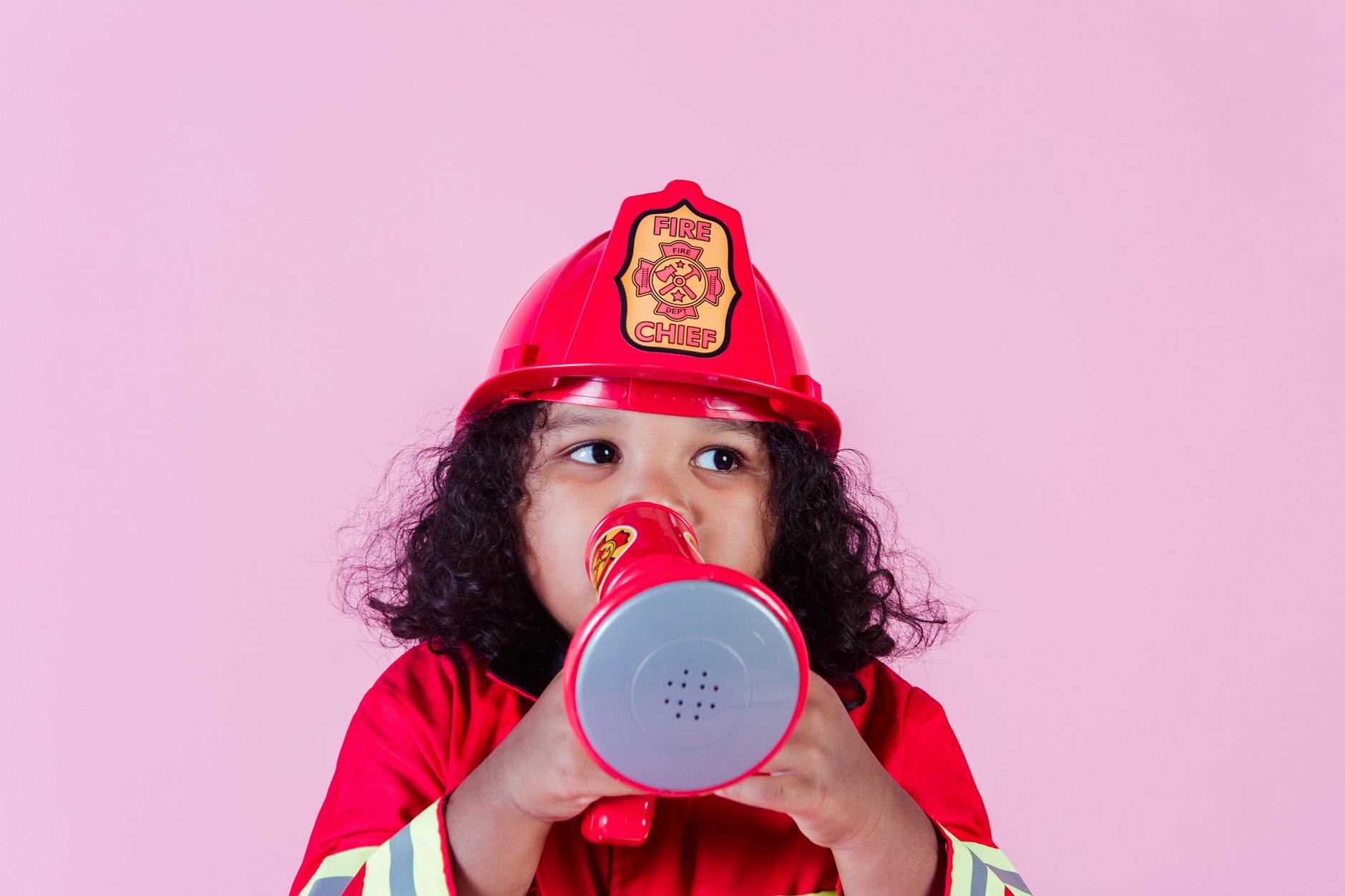
You don’t need flames to ignite scientific thinking. Here’s how to integrate fire-related science safely:
1. What’s Hot and What’s Not?
Create a sorting activity using images of items that are hot (e.g., stove, toaster, candle) vs. not hot (e.g., pillow, book, crayon). Talk about heat sources and how to stay safe around them.
2. Smoke Detector Science
Invite a local firefighter to show how a smoke detector works! Then talk about the science of smoke—why it’s dangerous, how it moves, and why we “stay low and go.”
3. Fire Needs Fuel!
Demonstrate the Fire Triangle (Heat + Fuel + Oxygen = Fire). Ask: “What happens if we take one part away?”
Book Pairing:
Read “Firefighters A to Z” by Chris L. Demarest and tie it into your science talk with facts and vocabulary.
🔥FIRE SAFETY LESSONS THAT STICK
Let’s be real: fire drills can be scary for some kids. Use these activities to make preparedness feel safe, familiar, and even a little fun.
🔥 Build a Fire Safety Plan
- Let students draw a map of their home and mark two escape routes.
- Practice “stop, drop, and roll” with stuffed animals (less scary and way more fun!).
🔥 Role Play: Firefighter to the Rescue
- Set up dramatic play with helmets, walkie-talkies, and firefighter vests.
- Act out what to do when you hear a fire alarm: stay calm, line up, no talking, etc.
🔥 Home Connection: Fire Safety Checklist
Send home a Fire Safety Challenge checklist for families to complete together:
- Test smoke detectors
- Identify two ways out of each room
- Practice a family escape plan
🎨 WRAP IT UP WITH ART
Let creativity take over with:

- Handprint flames with safety rules written around them
- Fire truck directed drawings for hallway displays
- Tissue paper flames with student-written fire safety tips on water droplets
- Blow Paint by putting drops of red and orange on paper, and letting kids blow it around with straws to make flames
- Fire hats for kids so they can wear their craft home
🔚 Final Thoughts
At the heart of every great classroom is a teacher who makes learning feel safe, exciting, and unforgettable. Fire Prevention Month is the perfect opportunity to teach real-life lessons while still having a blast (again, not literally). From read-alouds and role-playing to math centers and science talks, you’re not just teaching—you’re helping kids become prepared, confident, and aware.
So go ahead… make it fun, make it meaningful, and most importantly—make it safe. -Adam
 adampetersoneducation.com