Be Thankful. Be Pleased. Be relieved.

thankful

thank – ful /ˈTHaNGkf(ə)l/

to be pleased and relieved

As we enter Thanksgiving break I encourage you to focus on the two words above – pleased and relieved. There’s no denying that the start of the school year is an extremely stressful time. Somewhere between the sight words, the science experiments that almost went according to plan, and the coffee that went cold on your desk (again), something incredible happened.

You made it. (and so did your students)

You made it through the whirlwind of the first part of the school year—those early-morning pep talks in your car, the endless name-learning, the curriculum juggling, the parent-teacher conferences, and the marathon of guiding little humans through big emotions. For that last sentence alone you should be extremely RELIEVED.

And if you pause for one little moment—right now, before the next thing calls your name—you might notice something:

You’ve done a lot.
Like… a lot a lot.

And that’s something worth being thankful for, or, PLEASED.

Thankfulness isn’t always loud. It doesn’t always look like pumpkin-spice-everything or perfectly decorated bulletin boards with cutouts that took two hours longer than they should have. Sometimes “thankful” is simply this:

A deep breath.
A nod to yourself.
A moment of “Hey… look at everything I’ve carried, created, and cared for.” Teachers are natural forward-lookers—always thinking about the next unit, the next data collection period, the next holiday party that will require twenty-seven glue sticks and a prayer. But, it’s worth noting how calming it can be, before you rush ahead, to take a second and soak in what you’ve already done. Doing this on a daily basis can help you focus on the success instead of the stress.

Your impact this year is already written into the smiles, the confidence, the notebook pages filled with brave new attempts, and the classroom routines that magically run smoother than they did in August.

That’s worth celebrating. Right now. Before Thanksgiving break even starts.

AND…all of this is important to remember EVERY SINGLE DAY going forward!

You tell your students to be proud of their growth.
You celebrate their progress.
You remind them that rest is part of learning.

So go ahead… take your own advice.
(Yes, I know. Easier said than done. But try it. Your future self in December will want to high-five you.)

Be pleased.
Be relieved.
Be proud of the teacher you’ve been so far this year and thankful for this much deserved break. Then, remember ALL of this when school starts again. Happy Thanksgiving. -Adam

Fostering Thankfulness in the Elementary Classroom

The ability to practice gratitude is like a muscle: the more we exercise it, the stronger it becomes! And there’s no better place to help kids develop a habit of thankfulness than right in the classroom. When we intentionally focus on what we’re thankful for, we create a positive atmosphere where students feel more connected, happy, and engaged. Here are some easy and fun activities you can use to infuse a little more gratitude into your day-to-day teaching, helping students recognize and appreciate the good things in their lives.

1. Gratitude Journal Jar

One of the simplest ways to cultivate gratitude is to encourage students to reflect daily on what they’re thankful for. Here’s a quick and easy way to do it with a twist!

  • Set up a “Gratitude Jar” in your classroom. Each day, students can write down one thing they’re grateful for on a small slip of paper and drop it into the jar.
  • At the end of each week (or month), pull out a few slips and read them aloud as a class. It’s an uplifting way to end the week and allows students to hear what their classmates appreciate, too.

Why It Works: The Gratitude Journal Jar gives students a simple, structured way to practice gratitude daily, but also adds an element of anticipation and surprise at the end of the week when they get to hear others’ grateful moments.

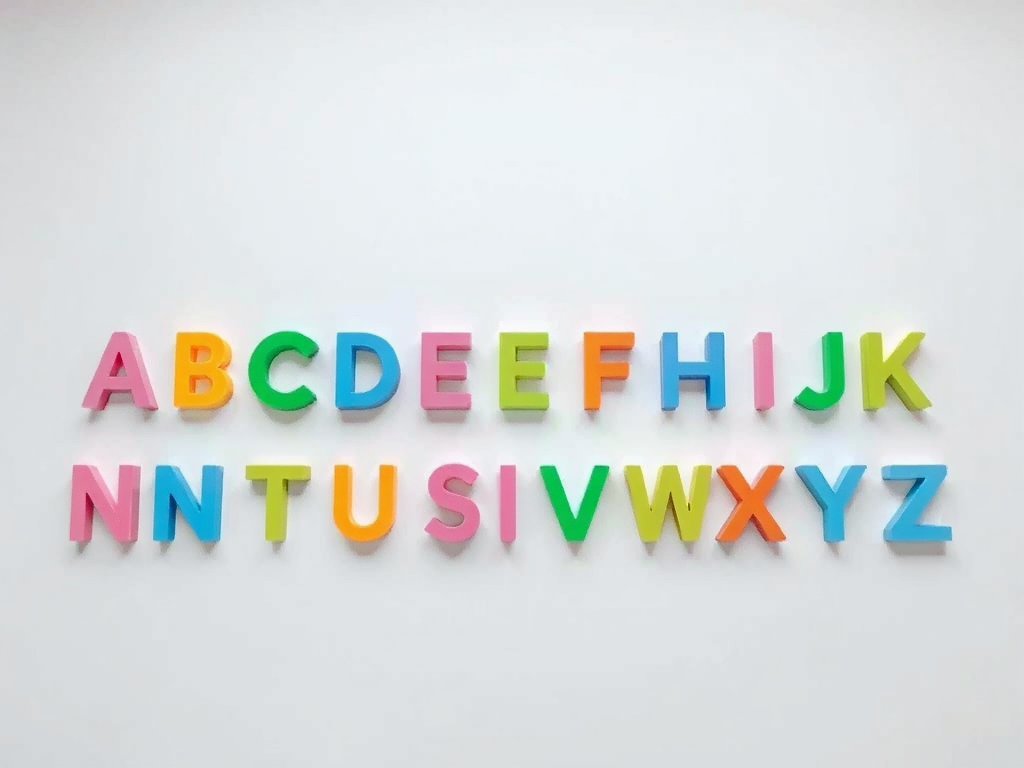
2. Thankfulness Alphabet

A great warm-up activity or brain break, the Thankfulness Alphabet encourages students to think deeply about all the people, places, and things they’re thankful for.

  • Write the alphabet on a whiteboard or hand out a sheet with letters A to Z.
  • Challenge students to think of one thing they’re thankful for that starts with each letter. They can work individually, in pairs, or as a class.
  • For younger kids, model a few letters first (like “A is for apples, B is for books”) to get them started.

Why It Works: This activity helps kids expand their sense of gratitude by thinking creatively and exploring areas they might not initially consider. It also reinforces letter-sound connections in a meaningful context!


3. Gratitude Partner Letters

Writing thank-you notes is a powerful way to express appreciation—and it’s a skill we can help kids practice, too!

  • Once a month, pair up students to write letters of gratitude to one another. You could assign partners or let them choose.
  • Ask each student to write a note to their partner, sharing a specific compliment or thanking them for something they’ve done recently (maybe it’s lending a pencil, sharing a laugh, or being a good friend).
  • Students can read the letters aloud to each other or keep them as a keepsake.

Why It Works: Not only does this activity encourage students to look for positive traits in their classmates, but it also helps them practice their writing skills in a meaningful way. Plus, receiving a heartfelt note can be a confidence booster for students.


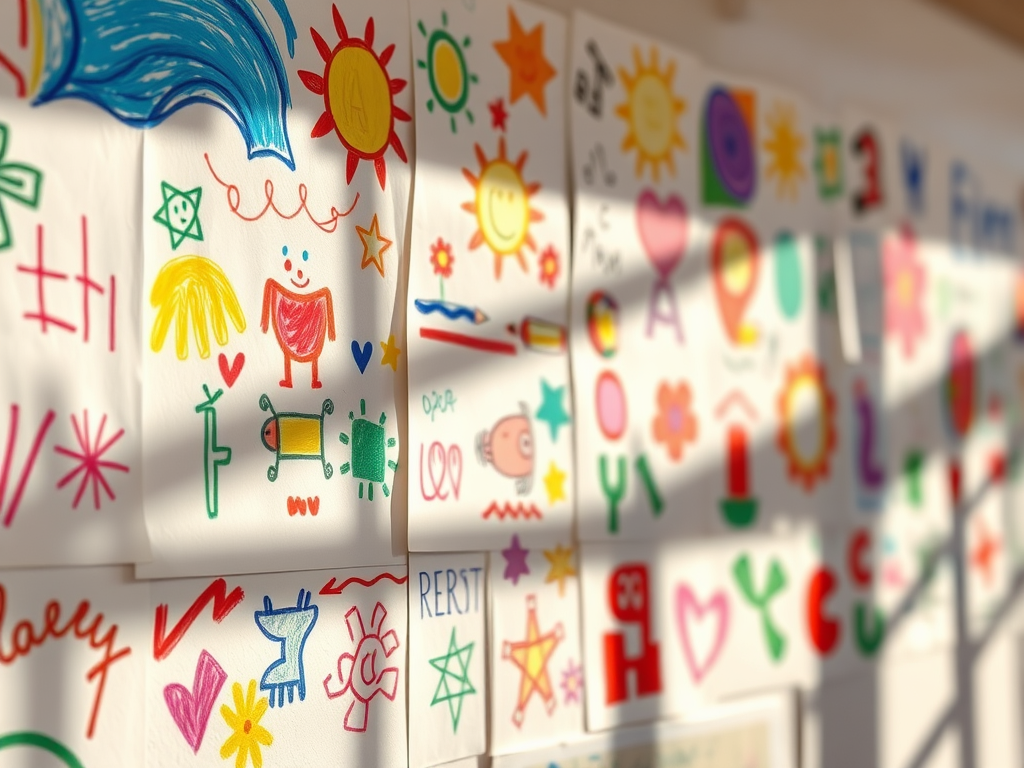
4. Gratitude Art Wall

Art is a fantastic medium for expressing emotions, and gratitude is no exception!

  • Set up a “Gratitude Art Wall” or bulletin board where students can add their own drawings, poems, or pictures about things they’re thankful for.
  • Once a week, give students a few minutes to create a piece of art that represents something they’re grateful for and add it to the wall.
  • At the end of each month, you can have a “Gratitude Art Walk” where the class goes around looking at everyone’s artwork and discussing what each person has chosen.

Why It Works: Visual expression allows students to explore gratitude in a non-verbal way, which is especially helpful for younger students or those who might struggle with writing. The art wall is also a constant reminder of positivity in the classroom.


5. Thankfulness Sharing Circle

Class meetings or morning circles are perfect times to practice gratitude collectively.

  • Start or end each week with a “Thankfulness Circle.” Go around and have each student share one thing they’re thankful for from the past week.
  • Encourage students to be specific (e.g., “I’m thankful for my mom making my favorite dinner” instead of just “I’m thankful for my mom”).
  • For extra variety, have a theme each week—like “people you’re thankful for” or “things in nature you’re grateful for.”

Why It Works: This activity not only strengthens gratitude but also builds community within the class. It allows students to learn more about each other, and it’s a low-pressure way to practice public speaking.


6. Random Acts of Kindness Bingo

Gratitude and kindness go hand in hand! This activity encourages students to act on their gratitude and spread kindness in the classroom.

  • Create a Bingo card with different acts of kindness on each square (like “Help a friend,” “Write a thank-you note,” or “Compliment someone”).
  • When students complete an act of kindness, they can cross it off.
  • Set a class goal to fill a line or even the whole board in a certain time frame. Consider a small celebration or reward once the Bingo card is completed!

Why It Works: This activity connects gratitude with action and helps students realize they can make a difference in the lives of others. It’s also a fun, cooperative game that builds teamwork.


Practicing gratitude isn’t just a “feel-good” activity—it’s a habit that can genuinely impact students’ well-being and social-emotional development. With these simple activities, you’ll be able to weave gratitude into the fabric of your classroom all year long, helping students develop positive attitudes and resilient mindsets.

Try out one or two of these ideas and see how your classroom culture transforms! Remember, the most powerful part of gratitude is the consistency. Keep going, and you’ll find yourself with a classroom full of grateful hearts! -Adam