
If you’ve ever felt the pressure to race through the curriculum like you’re running late for a flight, trust me — you’re in good company. Teachers everywhere are juggling pacing guides, multiple curriculums, assessments, meetings, behavior plans, lost glue stick lids, and the occasional mystery smell coming from someone’s backpack. (kidding, not kidding)
It’s a lot.
But here’s the truth we sometimes forget in the frenzy:
Learning isn’t a sprint. It’s not even a marathon. It’s a walk with kids who stop to look at every butterfly, rock, and weirdly-shaped cloud along the way.
And that’s exactly how it should be to save ourselves from the stress of a fast-paced schedule.
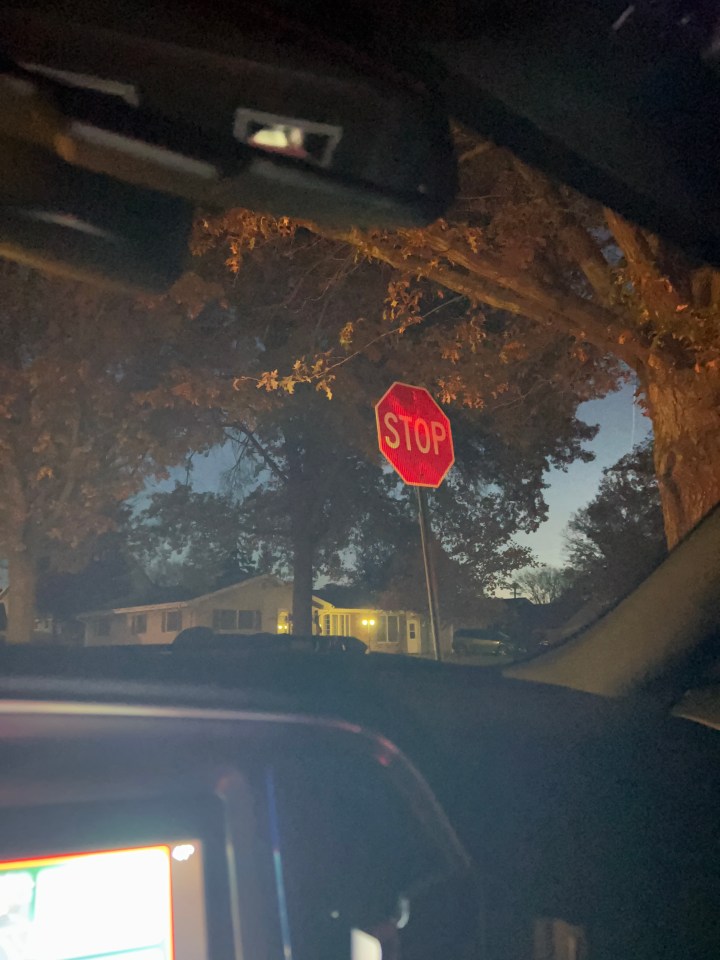
I was stressing about getting things done last week and this stop sign caught my eye. I was hitting the road for another out-of-town workshop with teachers – the third one in a week. I had a long drive ahead of me, a lot on my mind, and I wasn’t even 100% sure I was ready for the day ahead of me.
As my mind was racing with everything I had to do, I found myself stopped at this stop sign for longer than usual. Like most of you probably do, I typically roll through this stop sign unless there is a car coming that forces me to wait. This day, however, I found myself thinking about the real meaning (and law) that surrounds this stop sign. That day, I actually followed the rule. I stopped – but not forever.
As I started going again I began to think about why I might have stopped and thought about things for so long on that particular day. The reason? I had procrastinated getting things ready for this event and was beyond stressed, thinking I had forgotten things at home. I rushed and rushed that morning to pack my car and collect everything needed to take with me to the conference.
The same thing goes for the way we handle things in our classroom. We rush and rush to get through things when we really should be stopping and thinking more often.
The Magic Happens in the Slow Moments
We’ve all done it — felt the tug of the calendar, heard that little voice saying, “You should be on Unit 5 by now,” and sped through something kids clearly needed more time with.
But when we slow down, everything shifts.
That’s when students start asking the good questions.
That’s when you see that little eyebrow lift that means, “Ohhhh… now I get it.”
That’s when learning clicks instead of clunks.
Those moments don’t happen because we rushed.
They happen because we lingered long enough for understanding to take root.
Doing Things Right Beats Doing Things Fast
There’s an old-school wisdom here that still holds strong:
If students don’t understand it, moving on won’t magically fix it.
It’s like trying to teach a kid how to ride a bike by shouting instructions while you sprint next to them. Sure, everyone gets a workout, but nobody’s actually riding.
The same goes for blending sounds, regrouping in subtraction, writing complete sentences, or any of the million little things we teach every day. Kids need repetition. They need time. They need us to breathe, slow down, and let them practice the wobble until they’re steady.
Forward-thinking teaching isn’t about doing more faster —
it’s about doing what matters well.
Your Pacing Guide Is a Guide… Not a Stopwatch
Listen, I love a neat box to check as much as the next teacher. But pacing guides are exactly that — guides. Not iron-clad, no-wiggle-room contracts sworn on a stack of Scholastic flyers.
If your students need:
- one more day
- one more example
- one more mini-lesson
- one more round of practice
- or just one more chance to breathe
…it’s not a setback.
It’s good teaching.
Great teaching, honestly.
When We Slow Down, Students Speed Up Later
Here’s the magic twist:
Slowing down now often means moving faster later.
When students deeply understand foundational concepts, everything built on top actually goes smoother. You spend less time reteaching. Less time redirecting. Less time untangling misconceptions that hardened like a rogue glue stick on the rug.
A strong foundation is the ultimate time-saver.
Give Yourself Permission to Pause
If no one else has said it today, let me be the one:
You’re doing enough.
You’re covering enough.
You’re moving at the right speed because you’re responding to the kids in front of you.
Take the extra day.
Sit in the moment.
Work it out together.
You’re not falling behind — you’re building them up.
And, if you need to spend a little extra time at a stop sign to collect your thoughts, that’s ok. As long as there isn’t someone honking behind you. 🙂
-Adam

 adampetersoneducation.com