
As elementary teachers, we know that teaching math goes beyond just giving students algorithms to solve problems. We need to focus on building number sense—a deep understanding of numbers and their relationships—so that students can approach math confidently and flexibly.
At its core, number sense is all about making sense of numbers, seeing the connections between them, and being able to use that understanding to solve problems in creative ways. Strong number sense helps students not only understand how to solve problems but why those solutions work. When we nurture number sense early on, we set our students up for success throughout their entire math journey.
Let’s explore some practical strategies to build number sense in your classroom—no fancy programs required!
1. Make Math Talk a Daily Habit
One of the simplest and most effective ways to develop number sense is through daily math talks. Start each day with a short, low-pressure discussion around a math concept or problem. The goal isn’t to get the “right answer” quickly but to get students talking about their thinking process.
For example, show your class a number like 24 and ask, “What do you notice about this number?” You’ll be amazed at how much your students will say. Some might mention that it’s even, others might connect it to a multiplication fact (6 x 4), while some may break it into 20 + 4. These kinds of discussions allow students to see numbers in many different ways and build their confidence to share ideas.
Tip: Use visuals like ten frames, number lines, or base-ten blocks to support these conversations. Students often need to “see” numbers before they can manipulate them mentally.

2. Play with Numbers—Literally!
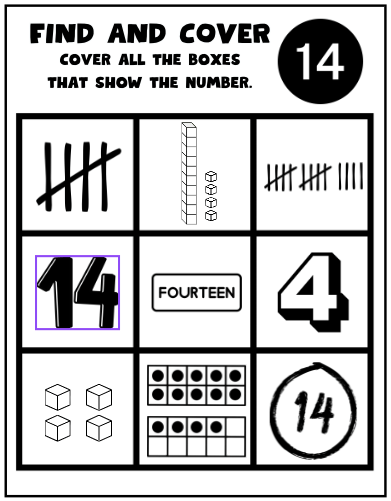
Learning number sense is much like learning a language: kids need lots of exposure, practice, and playful interaction. Incorporate games that emphasize number sense into your routine. Simple card or dice games like War, I Have/Who Has, or Find And Cover can provide endless opportunities for students to practice number relationships. My Number Sense Fun Pack has multiple versions of Find And Cover and is available for only $5.00!
Not only do games engage students and make math fun, but they also provide opportunities for meaningful practice without the pressure of formal assessments. Games naturally allow students to think strategically and make connections between numbers, all while having a great time.
Try using classic board games like Chutes and Ladders or Connect 4 for more number fun with your students!
3. Encourage Multiple Strategies
When we teach students that there’s more than one way to solve a problem, we empower them to be flexible thinkers. Encourage your students to share different strategies for solving the same problem. For example, when solving 28 + 17, one student might use traditional stacking and adding, while another might break apart the numbers to add (20 + 10) + (8 + 7).
Ask students to explain their thinking and compare different strategies. This type of discussion helps all learners understand that math is not just about getting the answer but understanding the why behind it. Plus, seeing a variety of strategies reinforces that numbers are fluid and can be manipulated in many ways.
4. Use Real-Life Contexts
Number sense becomes even more powerful when students see how it applies to the real world. Use real-life contexts to show students that math is everywhere. Whether you’re estimating how many chairs are in the cafeteria or figuring out how much time is left until recess, involving students in these everyday number decisions builds their practical understanding of numbers.
Classroom Idea: Create a classroom economy where students can earn and spend “money” for classroom jobs or privileges. This kind of activity makes number sense more meaningful and gives students authentic practice with numbers, operations, and problem-solving.
5. Build Mental Math Muscles
Mental math is a key component of number sense because it forces students to rely on their understanding of number relationships rather than pencil-and-paper algorithms. Regularly practice mental math routines in your classroom to help students strengthen their mental math muscles.
For younger students, start with simple tasks like “What’s 5 more than 12?” or “What’s 2 less than 9?” As students become more comfortable, increase the complexity by asking questions that encourage flexible thinking, like “What two numbers add to 25?” or “What’s 23 + 9?”
Pro Tip: Celebrate the process as much as the answer. Ask students to share how they solved the problem and, if appropriate, invite others to share alternate strategies.
6. Create a Number-Rich Environment
A number-rich environment is key to helping students build number sense. This doesn’t mean your classroom has to be filled with complicated math posters. Instead, focus on creating an environment where students can explore numbers in ways that make sense to them.
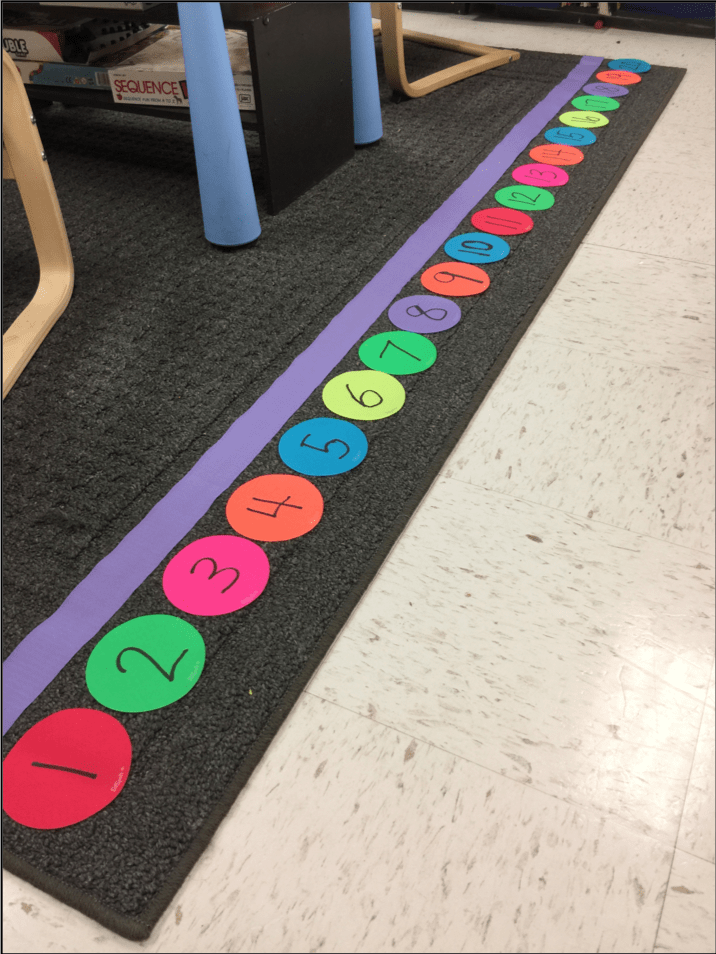
Put up interactive number lines, have math manipulatives readily available, and use anchor charts that showcase different strategies for solving problems. When students see math in their everyday surroundings, they’re more likely to make connections on their own.
These dots from SitSpots are a great way to create an interactive number line on the floor that can be manipulated by students!
Go DO Math!
Building number sense takes time, but it’s one of the most rewarding parts of teaching math. When students understand numbers deeply, they become more confident, flexible thinkers. And when they can approach math problems from multiple angles, they’re better equipped to tackle the challenges ahead.
Remember, number sense isn’t just a skill we teach in one unit—it’s something we nurture every day through conversations, play, and authentic experiences. So, let’s keep our classrooms buzzing with math talk, playful learning, and a love for numbers!
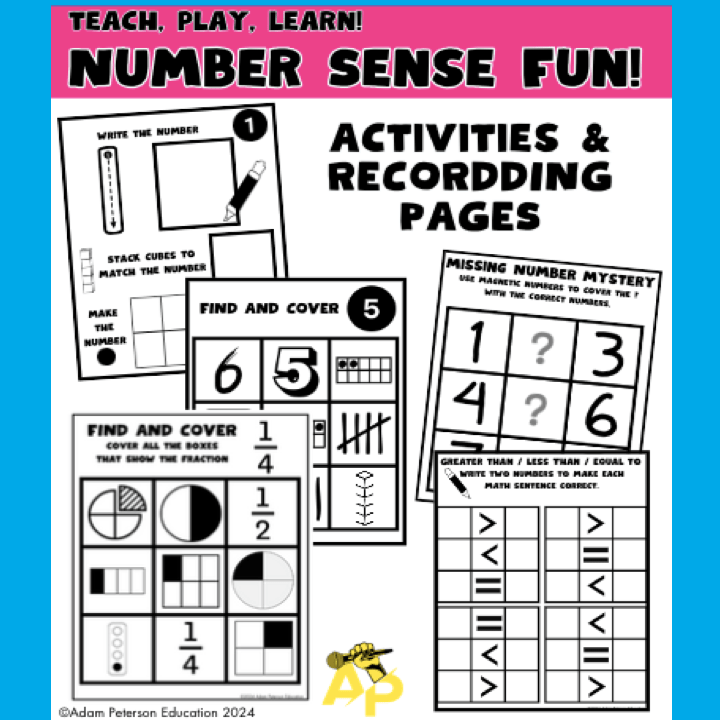
If you’re looking for a fun way to practice number sense through games and activities in your classroom take a look at my Number Sense Fun Pack on TeachersPayTeachers. It is 100 pages of various activities covering numbers 1-20, greater than/less than, and beginning fractions!
Keep believing in your students, and keep fostering that love for learning!
Happy Teaching! -Adam
 adampetersoneducation.com