Take the Time: Why This Holiday Break Should Actually Feel Like a Break

Teachers, let’s be honest—we’re absolute pros at reminding everyone else to rest, recharge, and enjoy the moment… yet somehow forget to take our own advice. It’s one of our superpowers. Right up there with spotting a missing glue stick lid from 20 feet away and knowing exactly who was goofing around in line behind you…even without looking.

But this year?
Let’s flip the script a little.

The holiday season is rolling in, and instead of filling every second with catch-up tasks, grading marathons, and “I’ll just reorganize the entire classroom real quick”—what if you gave yourself permission to simply be? To rest. To reflect. To enjoy the people you love. To enjoy yourself.

Because here’s the truth:
You’ve done enough.
You are enough.
And you deserve a break that feels like more than a long weekend with better snacks.

1. Simple Ways to Unwind (That Don’t Require a 10-Step Routine)

Photo by freestocks.org on Pexels.com

Let’s keep it real—teachers don’t need another complicated system to manage over the break.
Try one of these low-maintenance ways to settle in and breathe a little:

  • Pick one morning to sleep in. Not “sleep until the dog barks” late—really sleep.
  • Take a walk with no destination. Just the cool air, your thoughts, and maybe a hot chocolate if you want to get fancy.
  • Read something that isn’t a lesson plan. A novel. A cookbook. The back of a cereal box. Zero judgment.
  • Do absolutely nothing for 20 minutes. Sit. Stare out a window. Be gloriously unproductive.
  • Binge-watch a series. Find the latest must-watch series and binge the entire series. It’s ok.

Sometimes the best gift you can give yourself is a tiny slice of peace. A little bit of time to yourself can help calm your thoughts and allow you to reflect on the amazing year you’re about to leave behind. Even through the stresses of classroom challenges, heavy workloads, and endless to-do’s – YOU HAVE ACCOMPLISHED A LOT! So, it’s quite ok to accomplish not a lot over your break.

2. Family Time That Fills the Tank

Holidays and family come bundled together like a teacher and a stash of flair pens. But the magic isn’t in big plans—it’s in small, meaningful moments.

Try these simple traditions or activities:

  • Game night with no screens allowed. (Unless you’re playing to win… then all bets are off.)
  • Bake something together—even if it turns out… “just ok.”
  • Watch an old family movie. The nostalgic kind that makes you say, “Wow… we really wore that?”
  • Start a gratitude circle. Everyone shares one thing they’re thankful for from the year.

These little moments become the memories that hold the school year together when things get tough.
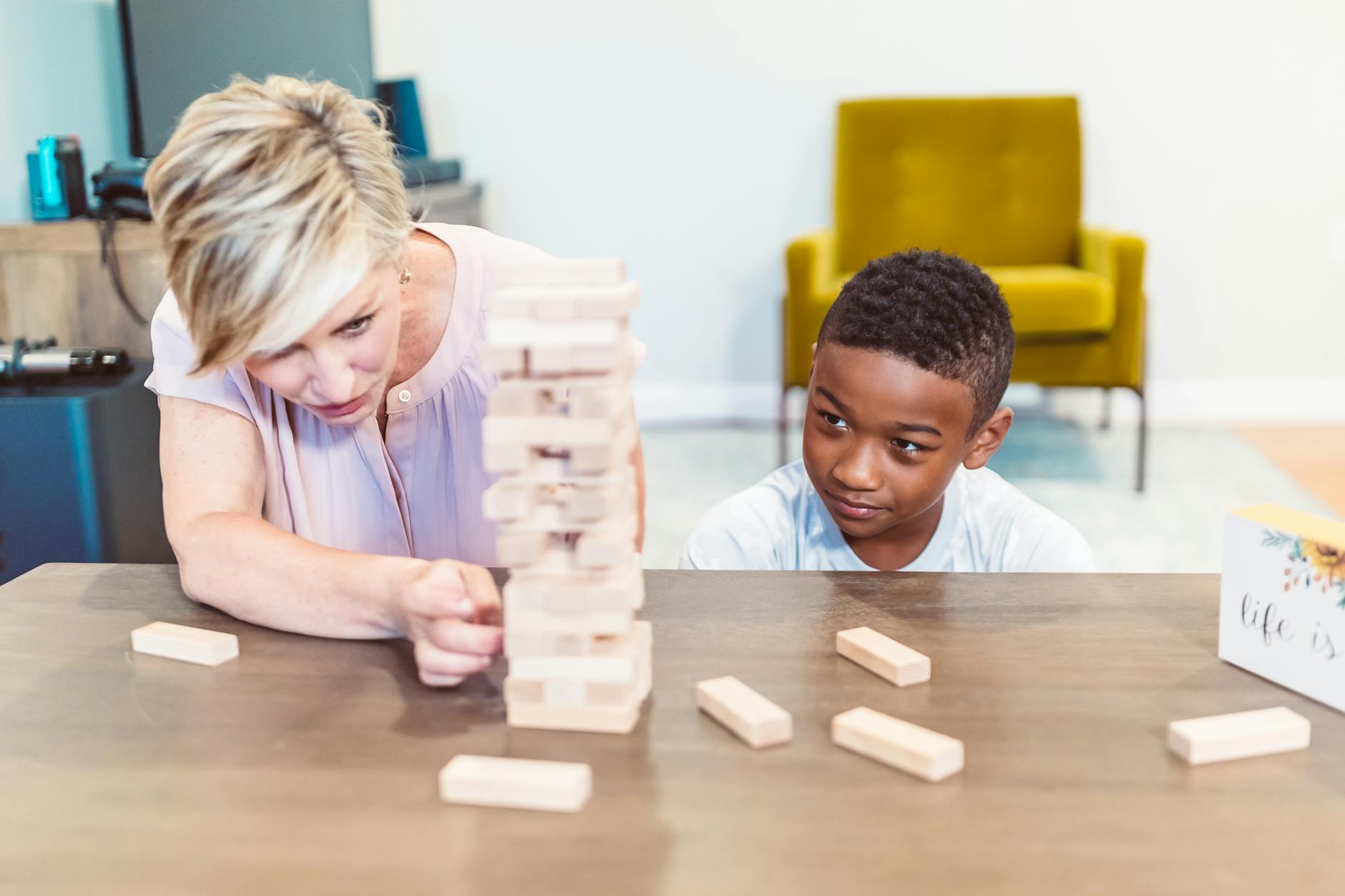
Photo by RDNE Stock project on Pexels.com

3. Reflect Without Overthinking

Teachers naturally reflect—we can’t help it. But this break, try reflecting softly:

  • What went well this fall?
  • Which kids surprised you in the best ways?
  • What did you do that made you proud?
  • What do you want more of in the new year—joy, calm, time, balance?

No pressure. No long list. Just gentle thinking that points you forward without demanding perfection.

4. Take Care of You

You give so much every day. Your patience, creativity, energy, heart—those things don’t replenish themselves.

This break, remind yourself:

  • It’s okay to rest.
  • It’s okay to say no.
  • It’s okay to do something just because you like it.
  • It’s okay to put yourself first for a few days.

You’ve spent months pouring into your students. Let these weeks pour back into you.
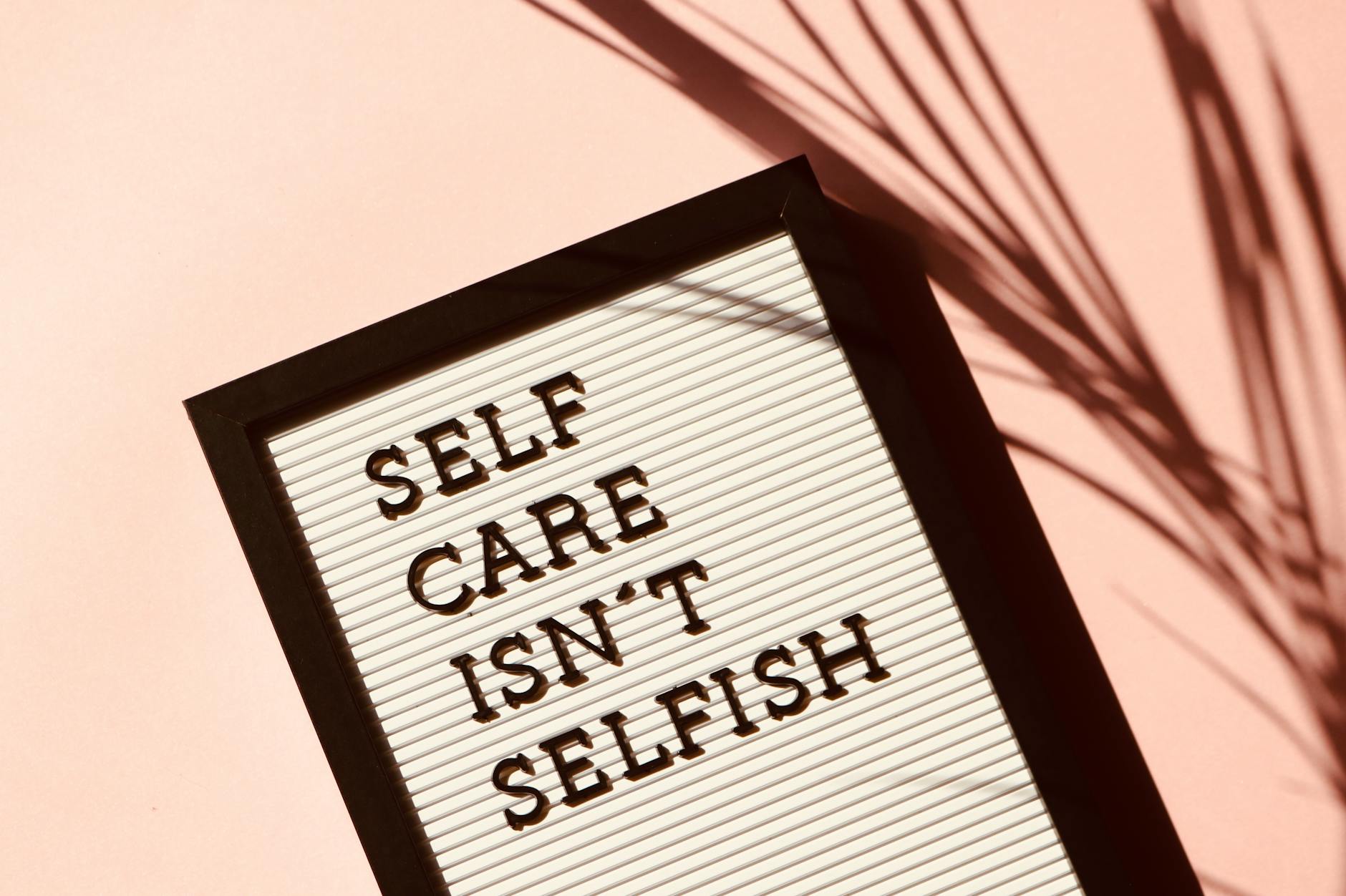
Photo by Madison Inouye on Pexels.com

You Deserve This Time

The holidays aren’t just a break from school—they’re a chance to reconnect with the parts of life that make teaching meaningful. Your family. Your home. Your peace. Yourself.

Take the time.
Enjoy the time.
And walk into the new year not just rested, but renewed.

Happy Holidays! – Adam

Fostering Thankfulness in the Elementary Classroom

The ability to practice gratitude is like a muscle: the more we exercise it, the stronger it becomes! And there’s no better place to help kids develop a habit of thankfulness than right in the classroom. When we intentionally focus on what we’re thankful for, we create a positive atmosphere where students feel more connected, happy, and engaged. Here are some easy and fun activities you can use to infuse a little more gratitude into your day-to-day teaching, helping students recognize and appreciate the good things in their lives.

1. Gratitude Journal Jar

One of the simplest ways to cultivate gratitude is to encourage students to reflect daily on what they’re thankful for. Here’s a quick and easy way to do it with a twist!

  • Set up a “Gratitude Jar” in your classroom. Each day, students can write down one thing they’re grateful for on a small slip of paper and drop it into the jar.
  • At the end of each week (or month), pull out a few slips and read them aloud as a class. It’s an uplifting way to end the week and allows students to hear what their classmates appreciate, too.

Why It Works: The Gratitude Journal Jar gives students a simple, structured way to practice gratitude daily, but also adds an element of anticipation and surprise at the end of the week when they get to hear others’ grateful moments.

2. Thankfulness Alphabet

A great warm-up activity or brain break, the Thankfulness Alphabet encourages students to think deeply about all the people, places, and things they’re thankful for.

  • Write the alphabet on a whiteboard or hand out a sheet with letters A to Z.
  • Challenge students to think of one thing they’re thankful for that starts with each letter. They can work individually, in pairs, or as a class.
  • For younger kids, model a few letters first (like “A is for apples, B is for books”) to get them started.

Why It Works: This activity helps kids expand their sense of gratitude by thinking creatively and exploring areas they might not initially consider. It also reinforces letter-sound connections in a meaningful context!


3. Gratitude Partner Letters

Writing thank-you notes is a powerful way to express appreciation—and it’s a skill we can help kids practice, too!

  • Once a month, pair up students to write letters of gratitude to one another. You could assign partners or let them choose.
  • Ask each student to write a note to their partner, sharing a specific compliment or thanking them for something they’ve done recently (maybe it’s lending a pencil, sharing a laugh, or being a good friend).
  • Students can read the letters aloud to each other or keep them as a keepsake.

Why It Works: Not only does this activity encourage students to look for positive traits in their classmates, but it also helps them practice their writing skills in a meaningful way. Plus, receiving a heartfelt note can be a confidence booster for students.


4. Gratitude Art Wall

Art is a fantastic medium for expressing emotions, and gratitude is no exception!

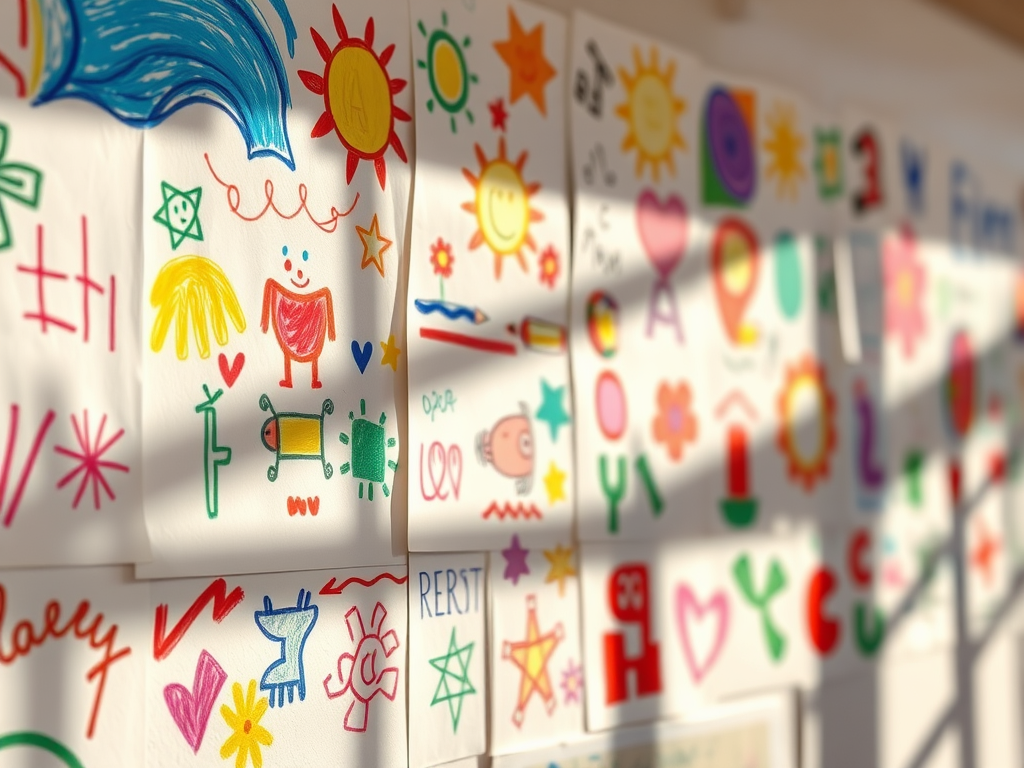
  • Set up a “Gratitude Art Wall” or bulletin board where students can add their own drawings, poems, or pictures about things they’re thankful for.
  • Once a week, give students a few minutes to create a piece of art that represents something they’re grateful for and add it to the wall.
  • At the end of each month, you can have a “Gratitude Art Walk” where the class goes around looking at everyone’s artwork and discussing what each person has chosen.

Why It Works: Visual expression allows students to explore gratitude in a non-verbal way, which is especially helpful for younger students or those who might struggle with writing. The art wall is also a constant reminder of positivity in the classroom.


5. Thankfulness Sharing Circle

Class meetings or morning circles are perfect times to practice gratitude collectively.

  • Start or end each week with a “Thankfulness Circle.” Go around and have each student share one thing they’re thankful for from the past week.
  • Encourage students to be specific (e.g., “I’m thankful for my mom making my favorite dinner” instead of just “I’m thankful for my mom”).
  • For extra variety, have a theme each week—like “people you’re thankful for” or “things in nature you’re grateful for.”

Why It Works: This activity not only strengthens gratitude but also builds community within the class. It allows students to learn more about each other, and it’s a low-pressure way to practice public speaking.


6. Random Acts of Kindness Bingo

Gratitude and kindness go hand in hand! This activity encourages students to act on their gratitude and spread kindness in the classroom.

  • Create a Bingo card with different acts of kindness on each square (like “Help a friend,” “Write a thank-you note,” or “Compliment someone”).
  • When students complete an act of kindness, they can cross it off.
  • Set a class goal to fill a line or even the whole board in a certain time frame. Consider a small celebration or reward once the Bingo card is completed!

Why It Works: This activity connects gratitude with action and helps students realize they can make a difference in the lives of others. It’s also a fun, cooperative game that builds teamwork.


Practicing gratitude isn’t just a “feel-good” activity—it’s a habit that can genuinely impact students’ well-being and social-emotional development. With these simple activities, you’ll be able to weave gratitude into the fabric of your classroom all year long, helping students develop positive attitudes and resilient mindsets.

Try out one or two of these ideas and see how your classroom culture transforms! Remember, the most powerful part of gratitude is the consistency. Keep going, and you’ll find yourself with a classroom full of grateful hearts! -Adam